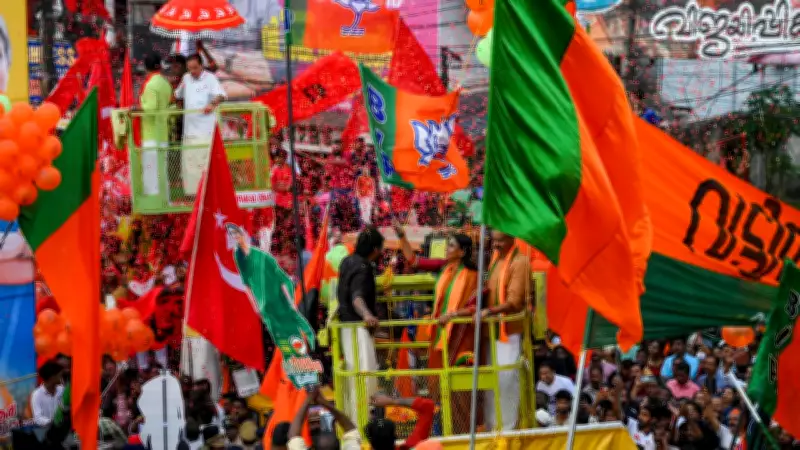
An uncharacteristic silence descended upon the otherwise bustling arteries of central and north Kolkata. As TV screens flashed saffron, signalling a historic and decisive victory for the BJP, the chaos of Smith Lane, Dedar Baux Lane and Abdul Hamid Lane in central Kolkata was replaced by a watchful, heavy silence.
Community in Disbelief
For the first time since Independence, Bengal's Muslim community — roughly 27% of the state's population — is grappling with a political reality where the party in office is one with whom the trust factor has historically been thin. In wards 29, 43 and 65, spanning Narkeldanga to Park Circus, the usual rhythm of life slowed to a crawl. At tea stalls, the clatter of cups was hushed as groups huddled around mobiles in a state of disbelief.
"Naturally, it is not what we expected," said Mohammad Khalid, a leather merchant. By afternoon, the despondency was palpable. The anxiety stems from a high-decibel campaign that many felt was polarising. However, voices of pragmatism emerged. The community now seems to be searching for a way to bridge the chasm with the new government.

Election Results 2026 Context
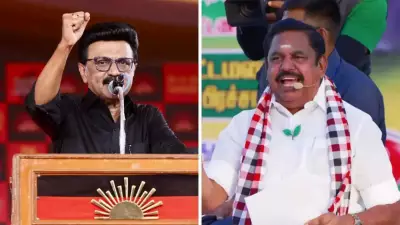
This reaction comes amid a broader electoral landscape where Vijay's TVK party emerged as a formidable force in Tamil Nadu, and the BJP made significant gains in West Bengal, potentially ousting Mamata Banerjee from power. The party also retained Assam, while pushing DMK and AIADMK to the margins in Tamil Nadu. The results have sent shockwaves through the state's political fabric, particularly among minority communities.