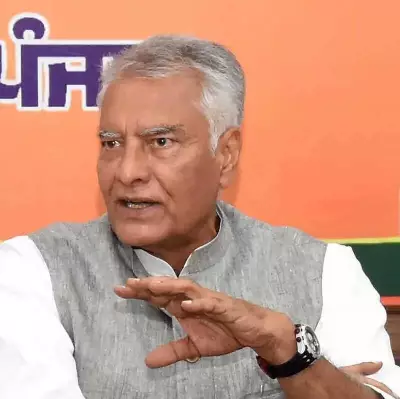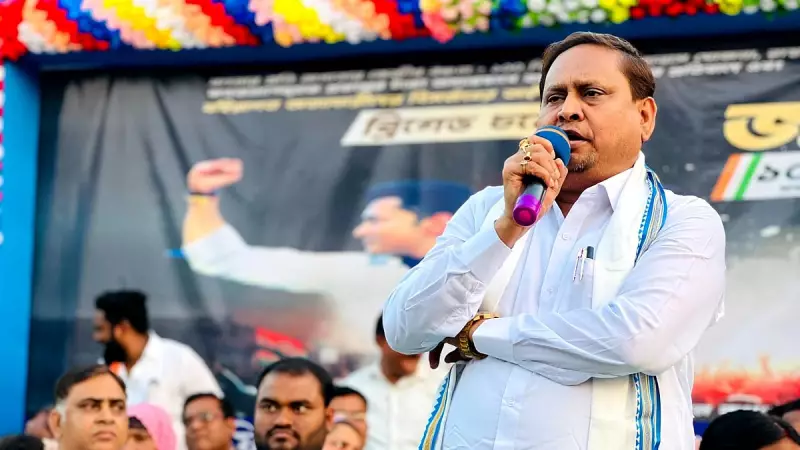
Bharatpur MLA Humayun Kabir Announces Political Foray
In a significant political development in West Bengal, Humayun Kabir, the sitting Member of Legislative Assembly (MLA) from Bharatpur, has announced the formation of a new political party. This move comes merely days after he was involved in a high-profile religious ceremony, laying the foundation stone for a mosque in the state.
Dual Seat Ambition in Murshidabad
Kabir has declared his intention to contest the upcoming West Bengal assembly elections from two constituencies. The seats he has set his sights on are Rejinagar and Beldanga, both located in the Murshidabad district. This strategy of contesting from multiple seats is often employed by politicians to increase their influence and secure a win.
The announcement, reported by PTI on December 22, 2025, adds a new layer of intrigue to the state's political landscape. Kabir's decision to launch his own party signals a potential shift in local political alignments and could impact the electoral calculations in the region.

Timing Follows Religious Event
The political announcement follows closely on the heels of another major event involving Kabir. Just days prior, he participated in laying the foundation for a mosque, an event that drew comparisons to the Babri Masjid due to its symbolic nature. This sequence of events—a prominent religious ceremony followed swiftly by a political launch—highlights the often-intertwined nature of faith and politics in the region.
While details of the new party's name, ideology, and structure are yet to be fully unveiled, Kabir's entry as a separate entity is poised to challenge the existing parties in the area. His incumbency as the Bharatpur MLA provides him with a base, but contesting from two new seats will be a test of his expanded appeal.
Implications for West Bengal Politics
This development is set to ripple through the political waters of West Bengal. The key implications include:
- A potential split in the existing voter base in the Rejinagar and Beldanga constituencies.
- Increased competition for established national and regional parties in Murshidabad.
- A focus on the political strategies of individual leaders carving their own paths outside major party umbrellas.
The coming weeks will be crucial as Kabir fleshes out his party's agenda and begins campaigning. All eyes will be on Murshidabad to see how this new political venture reshapes the contest for the 2025 assembly polls.