Jaisalmer Farmers' Agitation: MP Beniwal Intervenes Over Canal Water Crisis
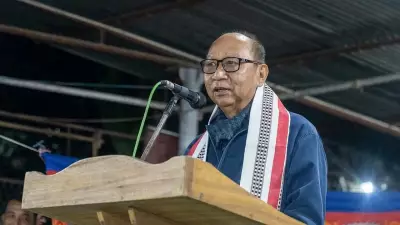
In a significant development, Member of Parliament from Barmer, Ummedaram Beniwal, met with farmers on Monday who have been staging an indefinite strike since February 4 at Zero RD in the Jaisalmer canal area. The protest stems from a severe shortage of irrigation water, which has left crops at risk and farmers in distress.
Farmers' Grievances and Demands
Beniwal listened to the farmers' grievances and engaged in detailed discussions to explore possible solutions. The protesters have vowed to continue their agitation until adequate irrigation water is released into the canals. They alleged that despite repeated assurances from the administration, water is still not reaching the tail end of the canal system, exacerbating the crisis.
According to the farmers, they have been submitting memorandums and holding peaceful dharnas, demanding a regular water supply as per their allocated share. However, they claim that the government and the concerned department have neglected the issue, leading to widespread frustration.

Beniwal's Response and Actions
Beniwal condemned the situation, calling it an injustice and urging the government to find a permanent solution for the canal area of Jaisalmer district. He emphasized the need for a solid policy and plan to address recurring water shortages. "Water available during the rainy season should be stored instead of being wasted," he suggested, highlighting a potential long-term strategy.
From the dharna site, Beniwal spoke directly to senior officials of the Indira Gandhi Canal Project and the irrigation department. He issued a stern warning, demanding that they ensure adequate and regular water supply within the next two days. He cautioned that if the issue remains unresolved, farmers may intensify their protest and launch a mahapadav (large-scale sit-in).
Broader Discussions and Historical Context
Beniwal also revealed that he spoke to Additional Chief Secretary Abhay Kumar of the Water Resources Department. He proposed a meeting in Jaipur on February 18, which would bring together farmer representatives and departmental officials to address the crisis comprehensively.
Farmer leader Sahaban Khan provided historical context, noting that a symbolic dharna was held at the district level on January 27. Following this, the administration assured the release of 1400 cusecs of water until February 6 and 1700 cusecs thereafter. Based on this assurance, the dharna was suspended. However, Khan stated that water flowed for only two days before the canals dried up again, severely undermining farmers' trust in the administration.
Impact on Agriculture and Local Sentiment
Congress district president Amardin Fakir highlighted the dire impact of the water shortage, stating that it has pushed farmers into distress. Standing crops have been drying for the past month, threatening livelihoods and agricultural output in the region.
The ongoing protest underscores the critical need for reliable irrigation infrastructure and transparent governance in water management. As the deadline set by Beniwal approaches, all eyes are on the administration to deliver on its promises and prevent further escalation of the agitation.