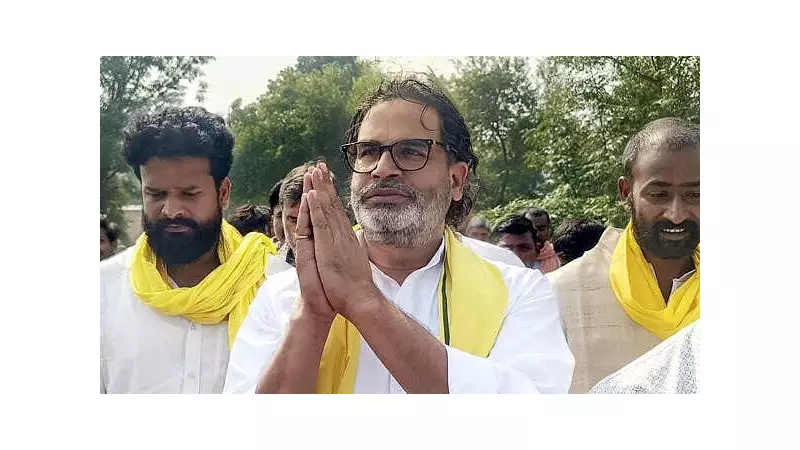
The much-hyped political startup Jan Suraaj, led by political strategist Prashant Kishor, faced a crushing defeat in the Bihar Assembly Elections 2025, raising serious questions about the viability of new political ventures in India's established democratic landscape.
Electoral Performance: A Reality Check
According to the Election Commission data released on November 16, 2025, the majority of Jan Suraaj candidates performed dismally at the polls. Most candidates secured less than 10 percent of the total votes polled in their respective constituencies, leading to the forfeiture of their security deposits.
The election results delivered a harsh reality check for Kishor's ambitious political project, which had generated significant media attention and speculation about its potential to disrupt traditional politics in Bihar. The poor showing across constituencies indicates that the party failed to connect with voters despite extensive campaigning.
The Political Startup Phenomenon
Jan Suraaj's electoral debacle has brought renewed focus on the challenges faced by political startups attempting to break into India's crowded political space. Like business startups in the corporate world, these political ventures often begin with innovative ideas and substantial hype but struggle to achieve the 'unicorn' status of established political parties.
Political analysts note that while new parties can generate initial curiosity, converting that attention into actual votes requires deep organizational roots, sustained grassroots work, and the ability to counter well-established political machines with significant resources and loyal voter bases.
Broader Implications for Indian Politics
The failure of Jan Suraaj to make a significant impact in the Bihar Assembly Elections 2025 underscores the difficulties new political movements face in challenging regional strongholds. Despite Prashant Kishor's reputation as a master strategist who has helped multiple parties win elections, his own political venture could not replicate that success.
This outcome serves as a crucial case study for understanding the limitations of political startups in India. It highlights that electoral success requires more than just strategic planning and media management – it demands genuine grassroots connect, ideological clarity, and the patience to build political capital over multiple election cycles.
The Bihar election results announced on November 16, 2025 have thus provided valuable insights into the evolving dynamics of Indian democracy and the formidable barriers to entry for new political players attempting to challenge established parties in state elections.