The Congress-led Karnataka government successfully pushed through a stringent new legislation against hate speech in the state assembly on Tuesday, December 10, amid strong protests and walkouts by Bharatiya Janata Party (BJP) legislators. The Karnataka Prevention and Eradication of Inhuman Evil Practices and Black Magic Act (Amendment) Bill, 2024, commonly referred to as the hate speech bill, was passed after a heated debate.
Key Provisions and Punishments
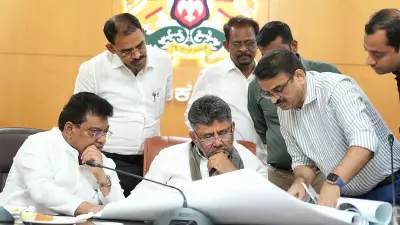
Presented by state Home Minister G Parameshwara, the bill defines hate speech broadly. It covers any expression—spoken, written, signed, visible, or through electronic communication—made with the intent to cause injury, disharmony, enmity, hatred, or ill-will against any person, group, or community.
The legislation prescribes severe penalties. For a first offence, perpetrators face imprisonment of not less than one year, extendable to seven years, along with a fine of Rs 50,000. For repeat offenders (second or third offences), the minimum jail term increases to two years with a fine of one lakh rupees. Notably, an earlier provision for a 10-year jail term for repeat offences was reduced to seven years.

The bill designates hate speech as a cognizable and non-bailable offence, with trials to be held in the court of a Judicial Magistrate First Class (JMFC). It also includes provisions for victim compensation based on the severity of the crime.
Heated Debate and BJP Walkout
The discussion in the assembly saw sharp exchanges. Urban Development Minister Byrathi Suresh stated that coastal Karnataka was "burning" due to hate speech and hate crimes, a remark that triggered strong objections from BJP MLAs representing the region.
BJP legislators, led by senior member Sunil Kumar, raised objections and subsequently trooped into the well of the House in protest. Despite Kumar's demand for a division of votes, the Speaker proceeded to table the bill, which was later discussed and passed in both Houses.
Deputy Chief Minister DK Shivakumar defended the bill, asserting that preventing hate speech was part of the government's agenda to maintain peace, law, and order in the state.
Opposition Criticism and Exemptions
The opposition strongly criticized the bill's intent. Union Minister for Heavy Industries and JD(S) leader HD Kumaraswamy accused the Congress government of introducing the legislation solely to "silence the opposition." He claimed it was an attempt to suppress opposition leaders but vowed they would not be intimidated.
The bill does provide specific exemptions. Publications or acts proven to be in the public interest—related to science, literature, art, learning, or heritage—are excluded. Acts done in good faith by public servants and materials kept for bona fide heritage or religious purposes also fall outside the law's ambit.
The definitions under the newly enacted Bharatiya Nyaya Sanhita, 2023, and the Information Technology Act will apply to this legislation. The bill also holds institutions accountable, stating that every person in charge at the time of the offence shall be deemed guilty.
The bill was initially cleared by the state cabinet on December 4, setting the stage for its introduction and passage in the assembly within a week.