The Karnataka Legislative Assembly has taken a decisive step to protect the state's increased reservation policy from legal challenges. In a significant move, the House unanimously passed a resolution urging the Central Government to include the recent hike in internal reservation for Scheduled Castes (SCs), Scheduled Tribes (STs), and Other Backward Classes (OBCs) under the protective umbrella of the Constitution's Ninth Schedule.
The Core of the Resolution: Shielding the 56% Quota
The resolution, passed on Wednesday, specifically requests the Union Government to place the Karnataka Scheduled Castes and Scheduled Tribes (Reservation of Seats in Educational Institutions and of Appointments or Posts in the Services under the State) Act, 2022, and the Karnataka Reservation (Amendment) Ordinance, 2023, into the Ninth Schedule of the Indian Constitution. This legislative action follows the state government's decision to increase the total reservation from 50% to 56%, a move that has been a major political commitment.
The breakdown of the new reservation matrix is as follows: Scheduled Castes (SCs) will receive 17% reservation, Scheduled Tribes (STs) 7%, and Other Backward Classes (OBCs) 32%, culminating in the total of 56%. This increase, particularly the internal reallocation within the SC quota championed by the Congress government, aims to address long-standing demands from various communities for a more equitable distribution of benefits.
Why the Push for the Ninth Schedule?
The drive to secure a place in the Ninth Schedule is rooted in the desire for legal immunity. Laws placed in this schedule are granted protection from judicial review on the grounds of violating fundamental rights, particularly those under Articles 14 (equality before law) and 15 (prohibition of discrimination). Given that the Supreme Court has historically set a cap of 50% on total reservations (with certain exceptions), placing the Karnataka laws in the Ninth Schedule is seen as a strategic move to preempt potential legal hurdles that could derail the implementation of the enhanced quotas.
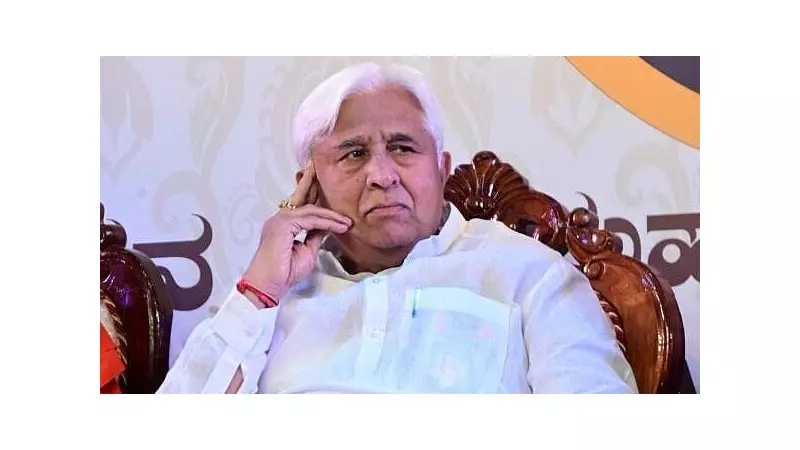
Law and Parliamentary Affairs Minister H K Patil, who moved the resolution, emphasized its critical importance. He stated that the resolution seeks to provide "constitutional protection" to the reservation hikes, ensuring they remain intact for the benefit of the communities they are designed to serve. The call for central intervention underscores the state's reliance on the Union government to complete this final, crucial step.
Unanimous Support and Political Implications
The passage of the resolution witnessed rare unanimity in the Assembly, with members across party lines lending their support. This reflects the broad political consensus in Karnataka on the issue of reservation, which remains a potent and sensitive subject. The resolution now places the ball firmly in the Centre's court, making it a point of discussion in federal relations.
The state government's action is a direct follow-through on its promise, made after accepting the report of the Justice Nagamohan Das Commission. The increase, especially the internal reservation within the SC category allocating specific percentages to sub-groups like SC (Left) and SC (Right), is a direct political response to the demands of communities such as the Dalits. By seeking the Ninth Schedule shield, the government aims to cement this policy as a permanent fixture, beyond the reach of legal contestation.
The next steps involve the state government formally forwarding the resolution to the Central Government. It will then be up to the Union Parliament to consider amending the Constitution to place the specified Karnataka Acts into the Ninth Schedule. This process will be closely watched, as it will test the Centre's stance on the state's autonomy in deciding its reservation policy and its willingness to use the Ninth Schedule for this purpose. The outcome will have significant ramifications for social justice and federal dynamics in India.