

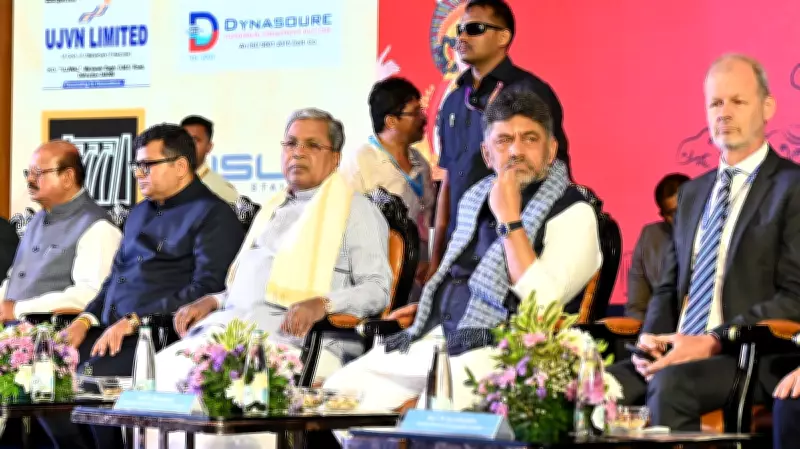
Karnataka Leaders Express Confidence in Central Approval for Key Water Projects
Karnataka Deputy Chief Minister D K Shivakumar has voiced strong optimism regarding the central government's approval for two critical water infrastructure projects: the Mekedatu balancing reservoir and the Upper Krishna project. This announcement comes amid growing concerns over dam safety in the state, with Chief Minister Siddaramaiah highlighting that nearly 70% of Karnataka's dams are over 25 years old, necessitating immediate systematic evaluation and modernization.
Shivakumar's Assurance on Mekedatu and Upper Krishna
In a recent statement, D K Shivakumar emphasized his confidence that the Centre will grant the necessary clearances for the Mekedatu and Upper Krishna initiatives. These projects are pivotal for enhancing water management and irrigation capabilities in Karnataka, addressing long-standing regional demands. Shivakumar's remarks underscore the state government's proactive approach to securing federal support for infrastructure development, which is crucial for agricultural sustainability and water security.
Siddaramaiah's Warning on Dam Safety
Simultaneously, Chief Minister Siddaramaiah has drawn attention to the alarming state of dam infrastructure across Karnataka. He noted that approximately 70% of the dams in the state have surpassed the 25-year mark, raising significant safety concerns. Siddaramaiah stressed the urgent need for a comprehensive safety evaluation, modernization efforts, and risk-informed operational strategies to prevent potential disasters and ensure public safety.

The aging dam network poses a threat to communities and ecosystems, making systematic upgrades imperative. Siddaramaiah's call for action highlights the broader context of infrastructure maintenance, linking it to the state's push for new projects like Mekedatu and Upper Krishna.
Implications for Karnataka's Water Management
The combined focus on new projects and existing dam safety reflects Karnataka's dual strategy in water resource management. On one hand, the Mekedatu and Upper Krishna projects aim to boost water storage and distribution, potentially benefiting millions of residents and farmers. On the other hand, addressing the safety of older dams is critical to mitigating risks and ensuring reliable water supply systems.
This approach aligns with national priorities on water conservation and infrastructure resilience, as Karnataka seeks to balance development with sustainability. The state's leaders are advocating for a holistic framework that integrates new constructions with the rehabilitation of aging structures.
Looking Ahead: Challenges and Opportunities
As Karnataka awaits central approval for the Mekedatu and Upper Krishna projects, the state faces the challenge of mobilizing resources for both new initiatives and dam safety upgrades. The political will demonstrated by Shivakumar and Siddaramaiah suggests a committed effort to navigate these complexities, but success will depend on collaborative efforts with the central government and adherence to environmental and regulatory standards.
The ongoing discourse underscores the importance of proactive governance in addressing water infrastructure needs, setting a precedent for other states grappling with similar issues. Karnataka's experience may offer valuable insights into managing water resources in an era of climate change and growing demand.






