

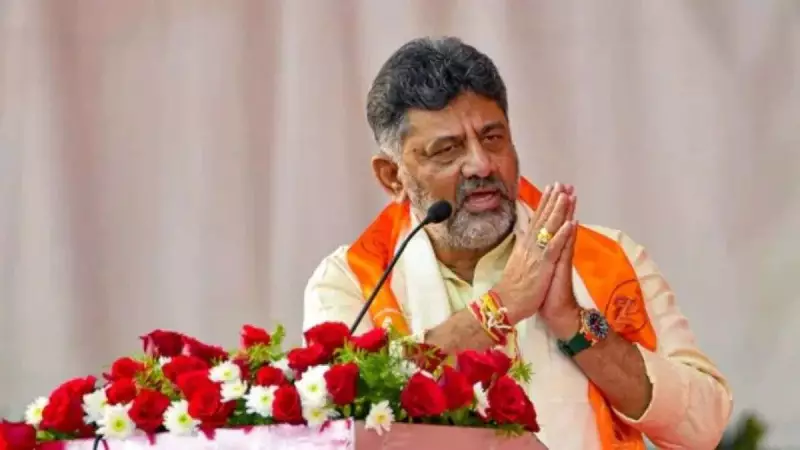
The Karnataka Congress unit is witnessing intense internal turmoil as multiple loyalists of Deputy Chief Minister DK Shivakumar made their way to Delhi this week to push for a leadership change in the state. The political maneuvering comes amid growing dissatisfaction with the current power-sharing arrangement between Shivakumar and Chief Minister Siddaramaiah.
Growing Dissent Among Congress Legislators
More than a dozen Congress MLAs and ministers aligned with Deputy Chief Minister DK Shivakumar have traveled to the national capital to voice their concerns about the current leadership structure. The delegation includes several influential lawmakers who argue that the dual power center model has created administrative confusion and political inefficiency in Karnataka.
The dissenting leaders have scheduled meetings with top Congress leadership, including party president Mallikarjun Kharge and Rahul Gandhi. Their primary demand centers around establishing a clearer leadership hierarchy, with many pushing for Shivakumar to take over the chief minister's position entirely. The timing is particularly sensitive as the party prepares for upcoming local body elections and seeks to maintain its competitive edge against the BJP in the state.

The Delhi Mission: What Shivakumar Supporters Want
The coordinated move to Delhi represents the most significant show of strength by Shivakumar loyalists since the power-sharing arrangement began. Sources indicate that the supporters are presenting data and ground reports suggesting that the current leadership model is hurting the party's prospects at the grassroots level.
Key issues raised by the dissenting group include delayed decision-making, confusion among bureaucracy due to dual reporting structures, and perceived weakening of the party's organizational strength. They argue that a single, decisive leadership under Shivakumar would better position the Congress to counter the BJP's resurgence in Karnataka.
The visiting delegation includes several ministers who hold important portfolios in the current government. Their direct engagement with central leadership underscores the seriousness of the internal challenge facing the Karnataka Congress. The meetings are expected to continue through the week as both sides attempt to find a resolution that prevents open rebellion while addressing the concerns of dissenting legislators.
Political Implications and Future Scenarios
The timing of this political maneuvering is crucial, coming just months before important local body elections and with the state government approaching the midpoint of its term. Political observers note that the public display of internal dissent could weaken the Congress government's position while providing ammunition to opposition parties.
The Congress high leadership faces a delicate balancing act. On one hand, they must address the genuine concerns of a significant faction within their Karnataka unit. On the other, they risk destabilizing a successfully functioning government in one of the few states where the party holds power. The decision could have far-reaching implications for the party's prospects in southern India and its national revival strategy.
Several possible outcomes are being discussed in political circles: a reshuffle of ministerial portfolios to better balance power, a more clearly defined division of responsibilities between the chief minister and deputy chief minister, or in extreme scenarios, a leadership change. However, most analysts believe the central leadership will likely seek a compromise solution that maintains stability while addressing some of the dissenting group's concerns.
The situation remains fluid with both Siddaramaiah and Shivakumar camps carefully monitoring developments. What's clear is that the Karnataka Congress cannot afford prolonged internal conflict as it faces multiple political challenges in the coming months.






