Karnataka Congress Government Accused of Extensive Phone Tapping and Surveillance
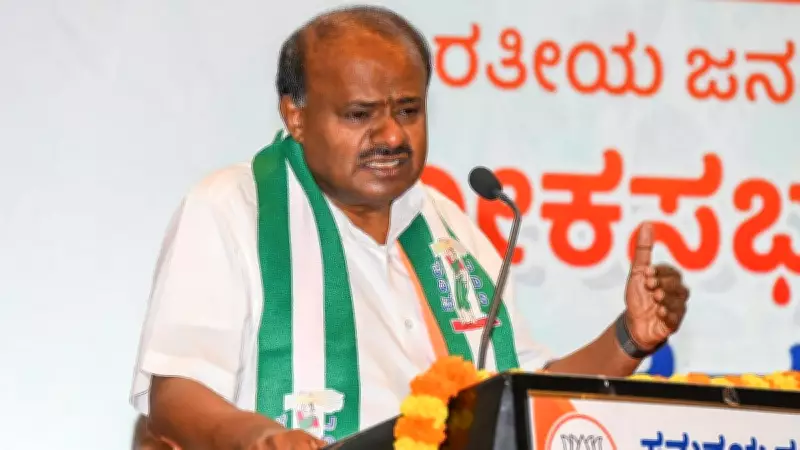
In a startling revelation that has sent shockwaves through Karnataka's political landscape, former Chief Minister and JD(S) leader H D Kumaraswamy has leveled serious allegations against the ruling Congress government. Speaking to journalists during a media interaction in Mysuru city, Kumaraswamy claimed that the state administration is actively engaging in phone tapping and surveillance operations targeting its own legislators.
Unprecedented Levels of Internal Surveillance Alleged
Kumaraswamy asserted that the scale of internal monitoring has reached unprecedented heights under the current Congress regime. "The government is not just keeping tabs on opposition members but is systematically spying on its own party legislators," the veteran politician stated, emphasizing what he described as a concerning erosion of democratic norms and privacy rights.
The allegations come at a time when political tensions in Karnataka have been simmering, with various parties jockeying for position ahead of crucial electoral battles. Kumaraswamy's claims suggest a climate of distrust within the ruling establishment itself, potentially indicating deeper fractures within the Congress party's state unit.
Political Implications and Broader Concerns
These accusations raise significant questions about governance practices and the boundaries of state power in Karnataka. If substantiated, such surveillance activities could represent a serious breach of legislative privilege and individual rights protected under Indian law. Political analysts note that internal surveillance of this nature, particularly when directed at elected representatives, undermines the fundamental principles of democratic accountability.
The timing of these allegations is particularly noteworthy, coming as they do amidst ongoing political realignments and preparations for future electoral contests. Kumaraswamy's decision to make these claims public suggests a calculated political move aimed at exposing what he perceives as authoritarian tendencies within the Congress administration.
Historical Context and Previous Surveillance Controversies
This is not the first time phone tapping allegations have surfaced in Indian politics, though the claim that a government is surveilling its own members adds a new dimension to such controversies. Previous instances of alleged political surveillance have often involved opposition figures, making Kumaraswamy's assertion about internal monitoring particularly striking.
The JD(S) leader did not provide specific evidence during his Mysuru press interaction but promised that more details would emerge in due course. Political observers are now watching closely to see whether these allegations gain traction, potentially triggering formal investigations or parliamentary inquiries into surveillance practices within the Karnataka government.
As this story develops, it highlights the ongoing tensions between security concerns, privacy rights, and political transparency in India's democratic framework. The response from the Congress government and any subsequent developments will likely shape political discourse in Karnataka for the foreseeable period.