Karnataka Government Halts Lobbying, Extends Terms of Urban Development Authority Heads
The Karnataka government has issued a fresh directive that effectively pauses the intense political maneuvering surrounding leadership positions in Urban Development Authorities (UDAs) across the state. Aspiring candidates who have been actively lobbying to become the next chairpersons or presidents of these authorities in their respective districts must now put their efforts on hold.
Government Order Halts Appointment Process
According to official communications, the state government has decided to continue the existing heads of various Urban Development Authorities until further orders. This decision comes despite the fact that the two-year terms of the appointed chairpersons and presidents, which began in 2024, officially concluded on February 28, 2026.
In the months leading up to the term expiration, numerous candidates had initiated vigorous lobbying campaigns across multiple districts. These efforts were particularly concentrated in Hubballi-Dharwad, Ballari, Chitradurga, Bidar, Kalaburagi, Belagavi, Haveri, Mangaluru, Shimogga, Gadag-Betageri, Chikkaballapur, and Hosapete.
The fresh government order, dated February 27, 2026, explicitly states that existing presidents will remain in their positions until the government issues new directives. This development has effectively suspended the appointment process for new leadership across these important urban planning bodies.
Impact on Lobbying and Ongoing Projects
The government's decision has created significant implications for both aspiring candidates and current office holders. On one hand, it has temporarily halted the intense lobbying efforts that saw candidates leveraging connections with ministers, MLAs, and other influential government contacts to secure these prestigious positions.
On the other hand, the term extension provides existing presidents with additional time to complete pending projects and initiatives. This continuity is particularly valuable for ongoing urban development plans that require sustained leadership and implementation.
Hubballi-Dharwad Authority President Responds
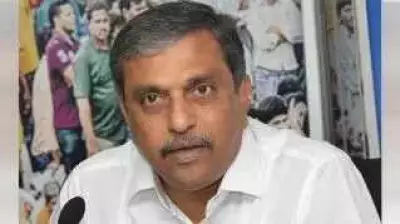
Shakir Sanadi, president of the Hubballi-Dharwad Urban Development Authority (Huda), confirmed the government's directive in statements to media outlets. He emphasized that the extension would enable him to complete the implementation of the revised master plan for the twin cities.
"The term extension is going to help me complete the implementation of the master plan," Sanadi stated. "I am planning to implement the new revised master plan in the twin cities. We have also rectified the loopholes in the old master plan."
Sanadi outlined several key priorities for the extended term, including:
- Designating specific areas for IT growth and development
- Allocating land for large plots and affordable housing sites
- Reserving certain parcels for town planning purposes
- Developing 60-foot, 80-foot, and 100-foot roads in main city areas to address traffic congestion
The president added that the government's decision provides "additional time to complete our remaining works until further orders," suggesting that the extension will be utilized to advance critical urban infrastructure projects.
Broader Implications for Urban Development
This government directive affects not just Hubballi-Dharwad but multiple districts across Karnataka where similar Urban Development Authorities operate. The continuity in leadership is expected to provide stability for ongoing urban planning initiatives while the government determines its next steps regarding these appointments.
The decision reflects a balancing act between political considerations and practical governance needs, allowing current projects to proceed without disruption while postponing potentially contentious leadership changes. As urban centers across Karnataka continue to grow and evolve, the role of these development authorities remains crucial in shaping sustainable urban landscapes for the future.