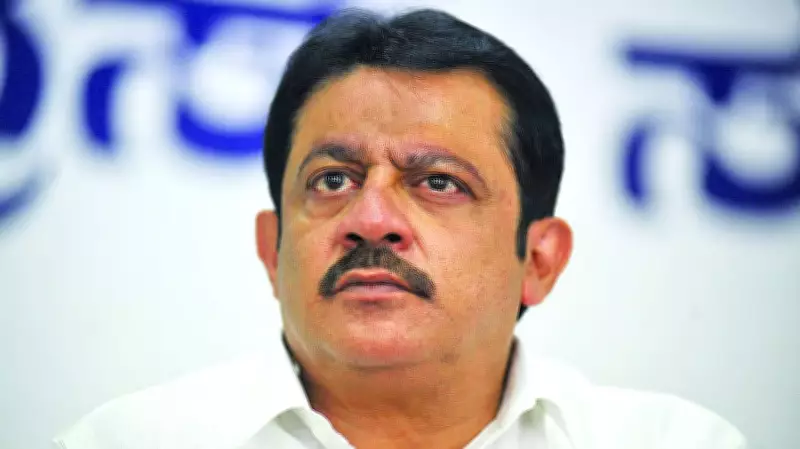
Karnataka Minister Zameer Ahmed Khan Advocates for Due Process in Party Discipline
In a significant statement regarding internal party matters, Karnataka Minister Zameer Ahmed Khan has emphasized the importance of adhering to due procedure before taking action against party leaders. This comes in the wake of recent disciplinary measures within the state Congress, which have seen the expulsion of one leader and the forced resignation of another.
Recent Disciplinary Actions in Karnataka Congress
The context for Minister Khan's remarks is the recent series of events within the Karnataka Congress. The party has taken strict action against members accused of anti-party activities. Specifically:
- MLC Abdul Jabbar was expelled from the party following allegations of engaging in activities deemed detrimental to the Congress's interests.
- MLC Naseer Ahmed was compelled to resign from his position as the Chief Minister's political secretary, also over claims of anti-party conduct.
These moves highlight the party's efforts to maintain discipline and unity, but they have also sparked discussions about the processes involved in such decisions.

Zameer Ahmed Khan's Call for Proper Procedure
Minister Zameer Ahmed Khan, a prominent figure in Karnataka politics, has weighed in on this issue by stressing that any action against party leaders should only be taken after following a proper and fair due procedure. In his view, this ensures transparency and justice within the party framework.
He argued that while maintaining party discipline is crucial, it must be balanced with the principles of natural justice. Khan's statement suggests a cautious approach, advocating for thorough investigations and hearings before imposing penalties on members.
Implications for Karnataka Politics
The timing of Khan's comments is noteworthy, as they come amidst ongoing political tensions in Karnataka. The state has been a battleground for various political factions, and internal party disputes can have broader implications for governance and electoral strategies.
By calling for due process, Khan may be aiming to:
- Prevent arbitrary actions that could alienate party workers and leaders.
- Strengthen the party's internal mechanisms for handling disputes.
- Project an image of fairness and integrity to the public.
This stance could influence how the Congress party manages similar situations in the future, potentially setting a precedent for other states as well.
Broader Context of Anti-Party Activities
Anti-party activities have been a recurring challenge for political parties across India, often leading to expulsions, resignations, or other disciplinary measures. In Karnataka, such issues are particularly sensitive due to the state's competitive political landscape.
Minister Khan's emphasis on due procedure reflects a growing awareness of the need for robust internal governance in political organizations. It underscores the importance of having clear rules and processes to address misconduct, rather than relying on ad-hoc decisions.
As Karnataka navigates these internal party dynamics, the focus on due process could play a key role in shaping political stability and trust within the Congress. The coming months will likely see further developments as the party balances discipline with procedural fairness.