Karnataka's Water Tanks Exhibit Strong Water Retention During Summer Season
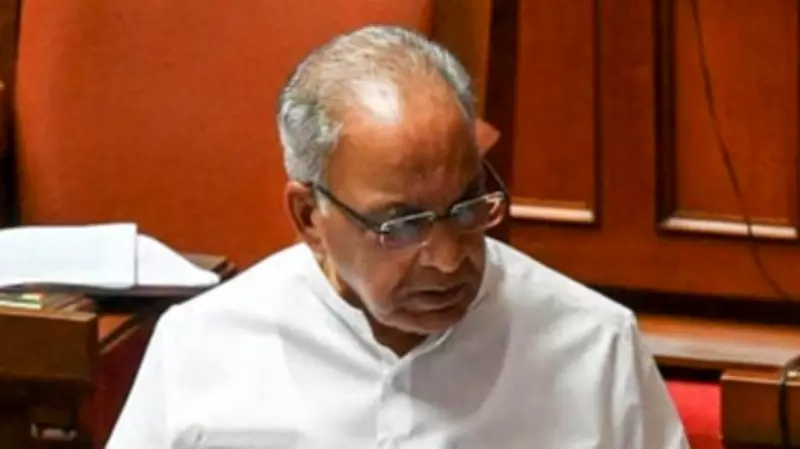
In a significant development for water resource management in the state, Karnataka's Minister for Minor Irrigation, N.S. Boseraju, has announced that the majority of water tanks across Karnataka continue to hold substantial water even amidst the ongoing summer season. This positive report underscores the effectiveness of recent conservation and management strategies implemented by the state government.
Minister Boseraju Highlights Water Conservation Success
Minister N.S. Boseraju emphasized that the current water levels in tanks throughout Karnataka are notably higher compared to previous years during similar seasonal conditions. He attributed this encouraging situation to a combination of proactive measures, including timely desilting operations, efficient rainwater harvesting initiatives, and strict monitoring of water usage patterns. The minister further noted that this resilience is particularly evident in rural and agricultural regions, where tank water plays a critical role in sustaining local communities and farming activities.
Detailed Assessment of Water Availability Across Regions
A comprehensive assessment conducted by the Minor Irrigation Department reveals that over 70% of the state's tanks are currently filled to more than half of their total capacity. This data indicates a robust water storage scenario that is expected to mitigate potential shortages during the peak summer months. Key districts such as Tumakuru, Chitradurga, and Kolar have reported especially favorable conditions, with many tanks maintaining levels sufficient to support irrigation and drinking water needs for several weeks ahead.

The sustained water availability is seen as a direct result of coordinated efforts between government agencies and local communities. Regular maintenance schedules, community-led conservation programs, and the implementation of advanced water-saving technologies have collectively contributed to this achievement. Additionally, favorable pre-monsoon showers in certain parts of the state have provided a supplementary boost to tank replenishment efforts.
Implications for Agriculture and Rural Livelihoods
The adequate water levels in Karnataka's tanks hold promising implications for the agricultural sector, which heavily relies on these resources for crop irrigation. Farmers in various regions have expressed relief and optimism, as the available water is expected to support key summer crops and reduce dependency on groundwater extraction. This development also bodes well for rural livelihoods, ensuring a stable water supply for domestic use and livestock maintenance during the dry season.
Minister Boseraju reiterated the government's commitment to ongoing water management initiatives, including plans for further desilting projects, the promotion of water-efficient farming techniques, and the expansion of rainwater harvesting infrastructure. He urged citizens to continue practicing water conservation in their daily activities to sustain these positive outcomes.
Future Outlook and Continued Vigilance
While the current situation is encouraging, authorities emphasize the need for continued vigilance and adaptive management strategies. Monitoring teams will remain active to track water levels and usage trends, ensuring timely interventions if required. The success story of Karnataka's tanks this summer serves as a model for other states grappling with water scarcity issues, highlighting the importance of integrated water resource management and community participation.
In conclusion, the resilience of Karnataka's water tanks during the summer season, as highlighted by Minister N.S. Boseraju, reflects a significant stride in sustainable water governance. This achievement not only addresses immediate needs but also sets a foundation for long-term water security in the region.