Karnataka Villagers Kill Bear After Fatal Mauling of Shepherd in Forest Area
In a distressing incident highlighting the escalating human-wildlife conflict in Karnataka, villagers took matters into their own hands and killed a bear that had fatally mauled a shepherd in a forested region. The tragic event unfolded in a rural area, where the shepherd was tending to his flock when the bear launched a sudden and violent attack.
Details of the Fatal Bear Attack
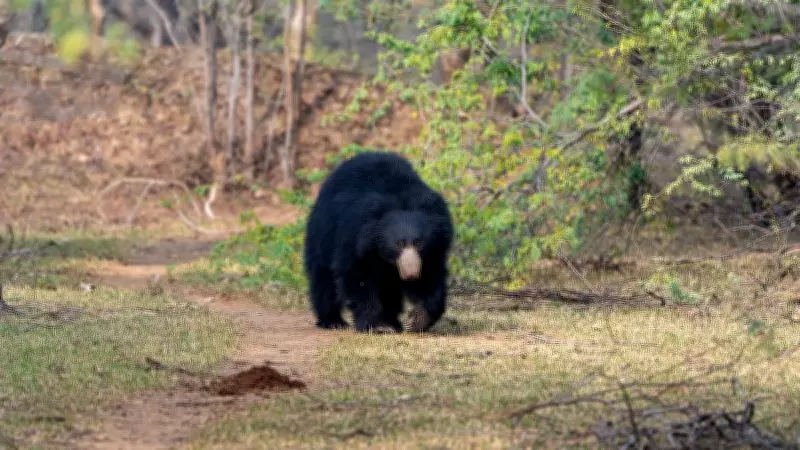
The attack occurred in a forested part of Karnataka, known for its rich biodiversity but also increasing encounters between humans and wildlife. According to local reports, the shepherd was alone with his animals when the bear, believed to be a sloth bear, emerged from the woods and attacked him without provocation. The mauling resulted in severe injuries that proved fatal, leaving the community in shock and mourning.
Witnesses described the scene as chaotic, with the bear showing aggressive behavior before villagers intervened. In the aftermath of the attack, a group of villagers, driven by fear and anger, tracked down the bear and killed it. This retaliatory action underscores the desperation and lack of effective wildlife management measures in such remote areas.
Rising Human-Wildlife Conflict in Karnataka
This incident is not isolated; Karnataka has seen a surge in human-wildlife conflicts in recent years, particularly in forest-adjacent villages. Factors such as habitat loss, deforestation, and encroachment into wildlife territories have forced animals like bears to venture closer to human settlements in search of food and shelter.
Experts warn that such conflicts are likely to increase without proactive conservation strategies and better community awareness programs. The state government has been urged to implement measures like early warning systems, compensation for victims, and habitat restoration to mitigate these risks.
Community Response and Legal Implications
The villagers' decision to kill the bear has sparked a debate on the legality and ethics of such actions. Under Indian wildlife protection laws, killing endangered species like bears is illegal and can lead to severe penalties. However, in this case, the villagers acted out of immediate threat and grief, raising questions about the adequacy of government support in crisis situations.
Local authorities have launched an investigation into the incident to determine the circumstances and ensure compliance with wildlife regulations. Officials emphasized the need for peaceful coexistence and urged communities to report wildlife threats rather than resorting to violence.
Broader Impact on Wildlife Conservation
This tragic event highlights the urgent need for balanced approaches to wildlife conservation in India. While protecting human lives is paramount, conservationists argue that retaliatory killings can harm biodiversity and disrupt ecosystems. Solutions may include:
- Strengthening forest patrols and monitoring systems.
- Providing timely compensation to affected families.
- Educating villagers on safe practices and conflict avoidance.
- Enhancing habitat corridors to reduce animal intrusions.
As Karnataka grapples with this incident, it serves as a stark reminder of the complex challenges in managing human-wildlife interactions. The loss of both a human life and a bear underscores the critical importance of sustainable policies and community engagement in conservation efforts.