

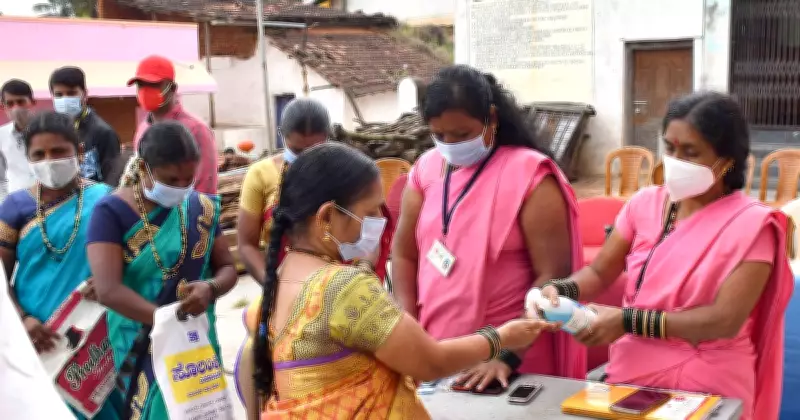
Karnataka Grapples with Widening Funding Gap for Welfare Initiatives
The state of Karnataka is confronting a severe fiscal challenge as the funding gap for its welfare schemes continues to expand. Recent reports indicate that the central government's contribution to these crucial programs has significantly lagged, placing immense pressure on the state's financial resources. This shortfall is not merely a temporary setback but a deepening crisis that threatens the sustainability of social welfare efforts across Karnataka.
Central Share Falls Short, Straining State Finances
According to detailed analyses, the central government's allocated share for various welfare schemes in Karnataka has consistently fallen below expectations. This discrepancy has forced the state to dip into its own coffers to bridge the gap, leading to a notable drain on its budgetary reserves. The situation is particularly acute for schemes aimed at healthcare, education, and rural development, where timely funding is critical for effective implementation.
The cumulative effect of this funding shortfall is a widening fiscal deficit, as Karnataka struggles to meet its financial obligations without compromising on service delivery. State officials have expressed concerns over the long-term implications, warning that continued underfunding could jeopardize the progress made in poverty alleviation and social equity.

Impact on Key Welfare Programs
The funding gap has direct consequences for several high-priority welfare initiatives. For instance, programs designed to support marginalized communities, provide nutritional aid, and enhance infrastructure in underserved areas are facing delays and scaling back. This not only affects beneficiaries but also undermines the state's developmental goals.
- Healthcare schemes are experiencing resource constraints, impacting access to medical services in remote regions.
- Educational initiatives are seeing reduced funding for scholarships and school infrastructure upgrades.
- Rural development projects are being postponed due to insufficient central support, slowing economic growth in agrarian communities.
These setbacks highlight the interconnected nature of welfare funding and overall state prosperity, emphasizing the need for a more reliable financial partnership between the centre and Karnataka.
Broader Implications for Fiscal Management
Beyond immediate welfare concerns, the funding gap poses broader risks to Karnataka's fiscal health. The state is now compelled to reallocate funds from other sectors or increase borrowing to cover the shortfall, potentially leading to higher debt levels and reduced investment in critical areas like infrastructure and innovation. This scenario could stifle economic growth and hinder Karnataka's competitive edge in the national landscape.
Experts suggest that a collaborative approach is essential, with clearer communication and more predictable funding mechanisms from the central government. Without such measures, Karnataka may continue to bleed money, exacerbating inequalities and slowing its journey toward sustainable development.






