

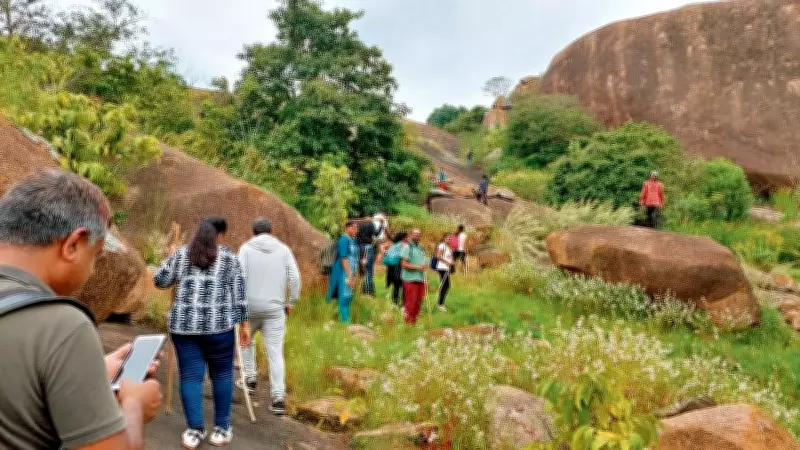
Karnataka's Strategic Overhaul of Trekking Protocols
In a significant move aimed at bolstering outdoor adventure safety and ecological preservation, the state of Karnataka has officially rolled out revised Standard Operating Procedures for trekking activities. This comprehensive update, announced on April 21, 2026, represents a timely and necessary reset in how trekking is managed across the region's diverse and popular trails.
Prioritizing Hiker Safety Through Structured Guidelines
The newly implemented SOPs place a strong emphasis on ensuring the well-being of trekkers. Key safety measures include mandatory registration for all trekking groups, requirements for certified guides on challenging routes, and strict protocols for emergency response coordination. These guidelines are designed to mitigate risks associated with unpredictable weather, difficult terrain, and medical emergencies, thereby reducing incidents and enhancing the overall trekking experience.
Balancing Tourism Footfall with Environmental Discipline
Beyond safety, the SOPs address the critical need to balance increasing tourism numbers with environmental sustainability. Provisions include limits on daily trekker counts in sensitive ecological zones, waste management rules requiring trekkers to carry back all non-biodegradable materials, and restrictions on off-trail exploration to prevent habitat disruption. This approach aims to protect Karnataka's rich biodiversity while allowing for controlled recreational use.

To ensure adherence, the state has established a framework for monitoring and enforcement. Trekking operators must obtain updated licenses, and regular audits will be conducted to verify compliance with the SOPs. Penalties for violations have been standardized, ranging from fines to suspension of operating permits, underscoring the seriousness of these regulations.
Impact on Local Communities and Tourism EconomyThe reset is expected to have positive ripple effects on local communities. By promoting responsible trekking, it supports sustainable tourism that can generate long-term economic benefits without degrading natural resources. Training programs for local guides are part of the initiative, fostering job creation and skill development in rural areas.
Future Outlook and Adaptability
Authorities have indicated that these SOPs will be reviewed periodically to incorporate feedback from stakeholders and adapt to changing conditions. This flexible approach ensures that trekking management remains responsive to new challenges and opportunities, setting a precedent for other states to follow in harmonizing adventure tourism with conservation goals.






