Karnataka's Special Identity Register (SIR) is encountering increasing scrutiny as issues such as duplicate IDs, missing voters, and outdated records come to the fore. Booth-level officers, already overburdened, are grappling with migrant populations, trust deficits, inaccessible residents, and verification challenges.
Core Challenges Facing the SIR
The SIR, designed to streamline voter identification, has been plagued by systemic flaws. Duplicate entries and missing voters have raised questions about the accuracy of electoral rolls. Officials point to a combination of factors including rapid urbanization, high migration, and outdated data sources.
Role of Booth-Level Officers
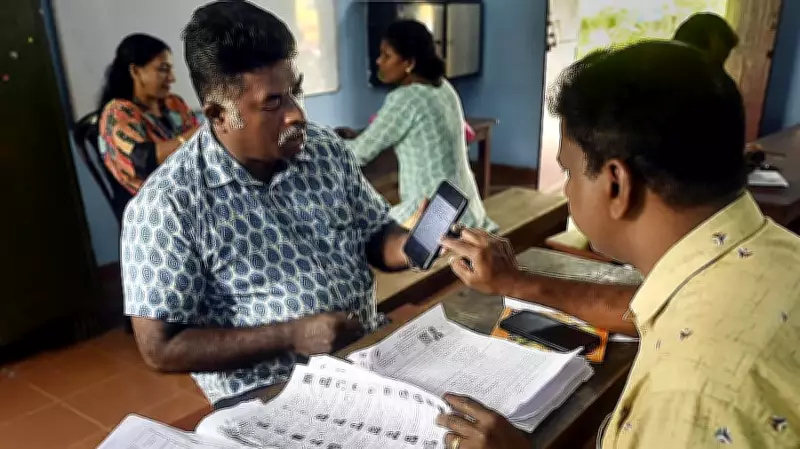
Booth-level officers (BLOs) are the backbone of the verification process. However, they face immense pressure due to large populations under their jurisdiction. Many residents are reluctant to share information, citing privacy concerns or distrust of government agencies. Additionally, migrant workers often lack permanent addresses, making it difficult to assign them to specific booths.

Verification Hurdles
Verification drives have been hampered by inaccessible residents, particularly in high-security zones or gated communities. Outdated records from previous censuses further complicate efforts. BLOs must cross-reference multiple databases, but inconsistencies persist.
Impact on Elections
These issues have direct consequences for electoral integrity. Duplicate IDs can lead to multiple voting, while missing voters disenfranchise legitimate citizens. The Election Commission has acknowledged the problems and is working on technological solutions, such as linking Aadhaar with voter IDs, but implementation remains slow.
Migrant Populations
Karnataka's booming economy attracts a large migrant workforce, many of whom are not registered in their current place of residence. This creates a gap between actual residents and registered voters. BLOs struggle to track these individuals, especially those who move frequently.
Trust Issues
Building trust with communities is a significant challenge. Some residents fear that providing personal data could lead to harassment or misuse. BLOs are trained to address these concerns, but cultural and language barriers persist.
Way Forward
Experts suggest a multi-pronged approach: updating census data, leveraging technology for real-time verification, and increasing public awareness campaigns. The state government has promised additional resources for BLOs, but critics argue that systemic reforms are needed.
As Karnataka prepares for upcoming elections, the scrutiny on the SIR is likely to intensify. Ensuring accurate and inclusive voter rolls remains a key priority for democratic governance.