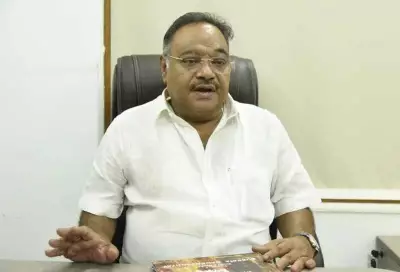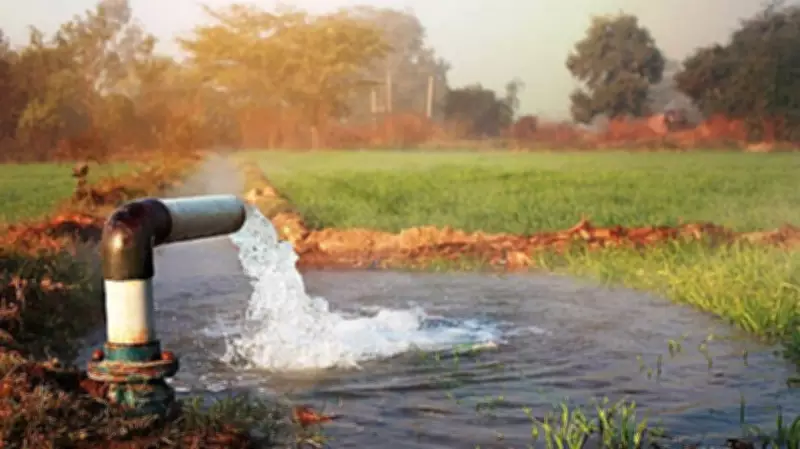
Former Member of Parliament Rajeev Gowda has highlighted the success of the KC Valley project in enhancing groundwater levels in the Kolar and Chikkaballapura regions of Karnataka. The project, which was launched in 2018, involves the pumping of approximately 440 million litres of treated sewage water daily into the tanks and water bodies of these two districts.
Project Overview
The KC Valley project is a flagship initiative aimed at addressing water scarcity in the drought-prone areas of Kolar and Chikkaballapura. By diverting treated wastewater from Bengaluru's sewage treatment plants, the project replenishes local water sources and supports agriculture and drinking water needs.
Impact on Groundwater
According to Rajeev Gowda, the project has led to a noticeable rise in groundwater levels in the region. This improvement is critical for farmers and residents who have historically faced severe water shortages. The treated water is also used for irrigation, reducing dependence on erratic monsoon rains.

Local authorities have reported that the consistent supply of treated water has revived several dried-up tanks and wells. This has not only boosted agricultural productivity but also improved the overall water security in the area.
Environmental and Social Benefits
Beyond groundwater recharge, the KC Valley project has environmental benefits, including the reduction of untreated sewage discharge into rivers and lakes. The project also promotes sustainable water management practices by recycling wastewater for beneficial use.
Rajeev Gowda emphasized that the success of the KC Valley project serves as a model for other regions facing similar water challenges. He urged the government to scale up such initiatives across the state to ensure long-term water sustainability.
Future Prospects
With continued investment and maintenance, the KC Valley project is expected to further enhance water availability in Kolar and Chikkaballapura. Experts suggest that similar projects could be replicated in other water-stressed districts of Karnataka, leveraging treated wastewater to combat drought and support livelihoods.