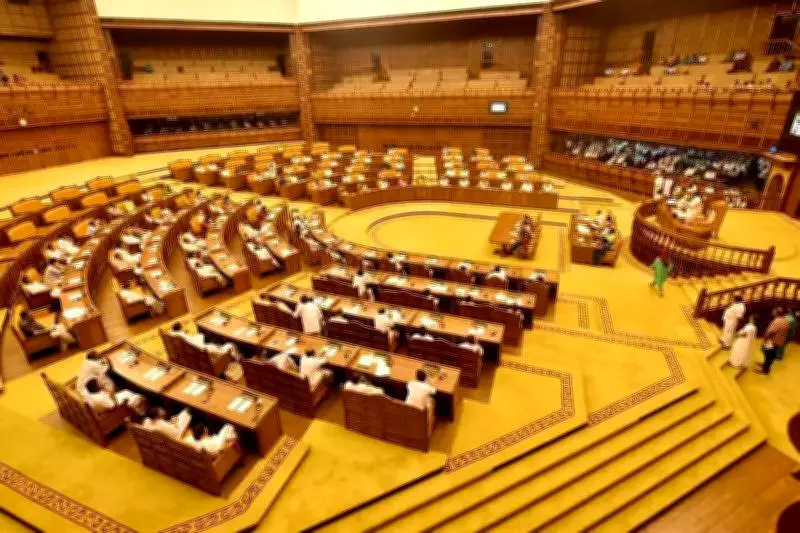
Kerala Cabinet Greenlights Landmark Urban Policy for 25-Year Development Vision
The state cabinet of Kerala, meeting in Thiruvananthapuram on Friday, granted formal approval for a comprehensive Urban Policy designed to set the strategic development direction for the next quarter-century. This pivotal policy framework arrives as Kerala undergoes a period of rapid and significant urbanization, aiming to provide a scientific and structured approach to growth.
Two Years of Deliberation Culminate in Strategic Framework
The newly approved Urban Policy is the result of nearly two years of continuous deliberations and follows through on an announcement initially made in the state budget for the 2023–24 fiscal year. Its creation was informed by estimates from the state's Urban Policy Commission, which projects that Kerala will achieve an urbanization rate of approximately 80% by the year 2050.
Currently, the state is experiencing a pattern of decentralized urban expansion, particularly within the densely populated corridors situated between the high ranges and the coastal belt. In the face of mounting development pressures and the critical context of climate change—including impacts on environmentally sensitive zones—this policy is envisaged as an essential scientific framework to steer sustainable and resilient growth.

Core Objectives and Thematic Pillars of the Urban Policy
The overarching goal of the Urban Policy is to leverage the process of urbanization as a catalyst for robust economic growth, while simultaneously ensuring scientific planning, promoting good governance, and developing climate-smart cities and towns. It strives to build an inclusive urban model where essential amenities are accessible to all residents.
Key aims include the reduction of existing social and spatial inequalities and the strengthening of community-based social support systems. The policy is structurally organized around several fundamental thematic areas:
- Comprehensive reforms in urban-related laws and governing institutions.
- Initiatives for capacity building and the strengthening of urban governance systems.
- The delivery of citizen-centric public services and welfare schemes.
- Sustainable infrastructure development and modernization.
- Advanced spatial and strategic planning for long-term urban management.
Cabinet Simultaneously Approves Pioneering Kerala Graphene Policy
In a significant parallel decision, the cabinet also approved the formulation of the Kerala Graphene Policy. This strategic initiative is designed to actively promote and cultivate a complete graphene ecosystem within the state, aiming to position Kerala as a recognized global hub for graphene production, innovation, and research.
The policy seeks to capitalize on the transformative potential of graphene—a material known for its strength and conductivity—across a wide spectrum of industries including electronics, energy, and composites. Primary focus areas of the Graphene Policy include:
- Promoting cutting-edge research and practical application of graphene and related advanced materials.
- Supporting industrial development and commercialization efforts.
- Creating sustainable, high-skilled employment opportunities in emerging tech sectors.
- Fostering a favourable and supportive startup ecosystem for graphene innovation.
- Strengthening research and development infrastructure and capabilities.
- Ensuring robust technological support and forging strategic global partnerships.
- Facilitating access to financial consultancy and international marketing support.
Additional Key Decisions from the Cabinet Meeting
The cabinet session also resulted in approvals for several other important measures:
Amendment to Advocates' Welfare Fund Act
The cabinet approved the Kerala Advocates' Welfare Fund (Amendment) Bill, 2026, which proposes amendments to the original 1980 Act. A key provision is the enhancement of the maximum benefit payable upon cessation of legal practice or upon the death of an advocate. This ceiling will be doubled from the current cap of Rs 10 lakh to a new maximum of Rs 20 lakh. Furthermore, financial assistance provided for major surgical procedures and cancer treatments will be increased from Rs 1 lakh to Rs 2 lakh.

Extension of Power Purchase Agreement
Permission was granted to the Kerala State Electricity Board (KSEB) to extend its existing power purchase agreement with the National Thermal Power Corporation (NTPC) for an additional period of three years, ensuring continued power supply stability.
Land Transfer to KSPACE
Approval was given for the transfer of ownership of 4.74 acres of land, currently in the possession of Technopark, to KSPACE. This transfer is subject to specific conditions and is being executed in lieu of 3.67 acres that had been previously set apart for the construction of a rainwater harvesting system. This land was part of a larger 18.56-acre parcel earlier earmarked for transfer to KSPACE.
Extension of Service for Key Official
The tenure of Santosh Babu, who serves as the Managing Director of Kerala State Information Technology Infrastructure Limited (KSITIL) on a contractual basis, has been extended for one year effective from October 10, 2025. Babu also currently holds additional charge as the Managing Director of K-Fon and as the executive director of the Information Kerala Mission.