

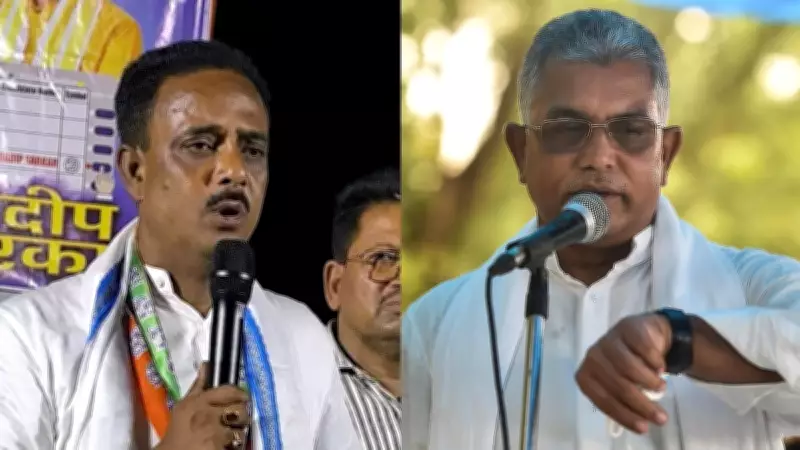
Kharagpur's 2026 Election: 'Outsider' Narrative Clouds Critical Local Concerns
As West Bengal gears up for the 2026 Assembly Elections, the political discourse in the Kharagpur Sadar constituency has taken a contentious turn. The focus has shifted sharply from the region's deep-seated civic and environmental challenges to a heated debate over 'outsider' candidates, raising concerns about the obfuscation of people's issues.
The Cosmopolitan Facade and Hidden Realities
Kharagpur Sadar, known for its cosmopolitan character as a major railway hub, presents a veneer of urban vibrancy. However, beneath this surface lies a stark reality of persistent problems that affect daily life. The constituency grapples with severe pollution, with industrial emissions and vehicular exhaust creating an acrid scent that permeates the air. This environmental degradation is compounded by an overflowing population, leading to overcrowded living conditions and strained public services.
Residents report a relentless press of people in residential areas and public spaces, exacerbating issues like inadequate housing and sanitation. The persistent murmur of civic neglect echoes through the community, with complaints about poor infrastructure, including roads, water supply, and waste management. These are the core 'people's issues' that many feel are being sidelined in the current political climate.

Political Rhetoric Diverts Attention
In the run-up to the 2026 elections, the campaign in Kharagpur Sadar has become increasingly focused on the identity of candidates rather than their policies. The 'outsider' poll pitch has gained traction, with parties and candidates emphasizing whether contenders are local residents or perceived as external figures. This narrative has dominated public discussions, often at the expense of substantive debates on how to address the constituency's pressing problems.
Political analysts note that this shift risks obfuscating the real concerns of voters. By framing the election around insider-versus-outsider dynamics, critical topics like pollution control, population management, and civic infrastructure improvements are being pushed to the background. Voters express frustration that their daily struggles are not receiving the attention they deserve in the electoral discourse.
Impact on Governance and Voter Priorities
The emphasis on 'outsider' rhetoric could have significant implications for governance in Kharagpur Sadar. If elected representatives are chosen based on their perceived local connection rather than their ability to tackle issues, it may hinder effective problem-solving. This is particularly concerning given the severity of the constituency's challenges, which require focused and sustained efforts.
Community leaders and activists are calling for a reorientation of the campaign towards people's issues. They argue that regardless of a candidate's background, the priority should be on presenting clear plans to combat pollution, manage population growth, and upgrade civic amenities. As the election approaches, there is a growing demand for debates and manifestos that directly address these neglected areas.
In conclusion, the West Bengal Assembly Elections 2026 in Kharagpur Sadar highlight a troubling trend where political rhetoric overshadows grassroots concerns. While the 'outsider' pitch may resonate with some voters, it risks diverting attention from the acrid scent of pollution, the press of overcrowding, and the murmur of neglect that define life in this railway hub. Ensuring that people's issues remain at the forefront will be crucial for meaningful electoral outcomes and future development.






