

Kolkata Police Step In as Voter Counselors Amid Electoral Roll Confusion
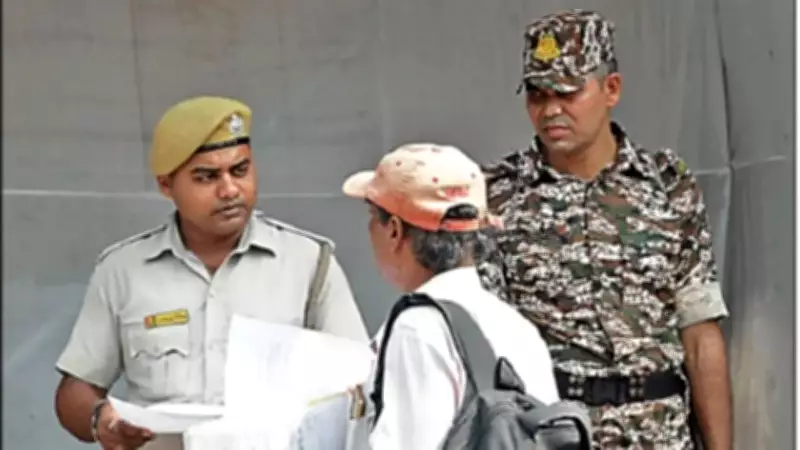
In an unusual turn of events, police officers stationed outside the tribunal office in Joka, Kolkata, have assumed the role of counselors for voters whose names were unexpectedly removed during the Summary Revision (SIR) of the electoral roll. With entry barred into the SPM-NIWAS campus where tribunal authorities are processing appeals, these individuals find themselves unable to directly communicate with officials, leading to widespread confusion and frustration.
Absence of Help Desk Forces Voters to Seek Police Guidance
The lack of an official help desk has compelled affected voters to flock to the police kiosk, desperately seeking clarity on whether they will be permitted to vote in the upcoming assembly elections. On Monday alone, officers fielded a barrage of questions from anxious citizens, including inquiries about voting eligibility, appeal status, tribunal decision timelines, and whether they need to return for updates on name restoration.
Despite their willingness to assist, police personnel acknowledge having limited information about the tribunal's internal proceedings. One officer expressed concern, stating, "We have not received any specific guidelines on how to handle electors directed here by their Booth Level Officers (BLOs) or others, including neighbors or political party agents who visited during the SIR enumeration phase. These people are unaware that only those summoned are allowed inside. It's disheartening to see them travel long distances in the scorching heat, only to face uncertainty."

Personal Stories Highlight Systemic Issues
The situation has impacted voters from across Kolkata. Beckbagan resident Md Naseer, representing his octogenarian uncle Md Khaleed, discovered his relative's name—present on the 2002 SIR list—missing from the electoral roll published on February 28. "What is the reason behind this deletion?" Naseer questioned, after being turned away by security guards and finding police equally unclear on the matter.
Similarly, Falta resident Sudam Koley sought police assistance but was advised to return only if he receives a hearing notice from the tribunal. Police emphasized, "As per instructions, only summons attendees are permitted entry. We understand notices will be issued to those with unsatisfactory supporting documents, so we're urging everyone to wait for official communication."
In a more positive instance, Behala resident Rakesh Shah and ten family members, who faced SIR deletions without filing appeals, were guided by police to submit their documents promptly. This highlights the ad-hoc nature of the support being provided, as officers navigate their unofficial counseling duties amidst the electoral chaos.
Broader Implications for Democratic Participation
This scenario underscores significant gaps in the electoral process, where voters are left relying on police for basic information due to inadequate official channels. With the assembly polls approaching, the confusion threatens to disenfranchise eligible voters, raising concerns about transparency and accessibility in the democratic system. The police's makeshift counseling role, while commendable, points to a systemic failure that requires urgent attention to ensure fair and inclusive elections.






