A prominent Kuki organization has declared that members of its community will abstain from any involvement in the process of forming a new government in Manipur. This announcement comes as the northeastern state continues to grapple with deep-seated ethnic tensions and remains under central rule.
State Under Central Administration
Manipur has been governed under President's Rule since February of last year (2024), following the collapse of its elected government. This direct rule from the central government was imposed to manage the severe law and order situation that had erupted across the state.
The Toll of Ethnic Conflict
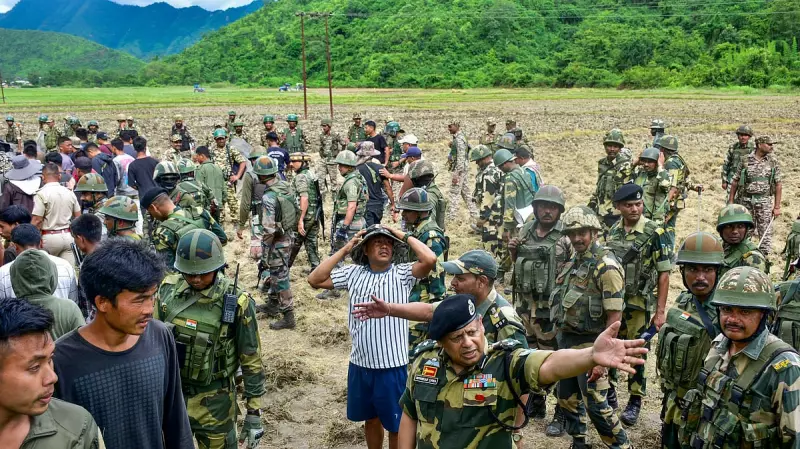
The backdrop to this political boycott is a tragic and protracted period of violence. Since May 2023, Manipur has been the scene of intense clashes between two main groups: the Meiteis, who are primarily based in the Imphal Valley, and the Kuki-Zo communities, inhabiting the hill districts.
The human cost of this conflict has been devastating. Official figures indicate that at least 260 people have lost their lives. Furthermore, the violence has uprooted thousands from their homes, creating a significant internal displacement crisis with many rendered homeless.
Implications of the Boycott
The decision by the Kuki group to not engage in government formation poses a significant challenge to any future political stability in Manipur. It underscores the profound distrust and alienation felt by sections of the population. This move signals that restoring normal political processes will be exceptionally difficult without first addressing the core issues of the ethnic divide, security, and justice for the victims.
Analysts suggest that the boycott reflects a demand for greater political safeguards and administrative attention to the concerns of the hill-based communities before they would consider participating in a collective state government.