

Maharashtra's Long-Pending Cooperative Housing Rules Set for Final Approval
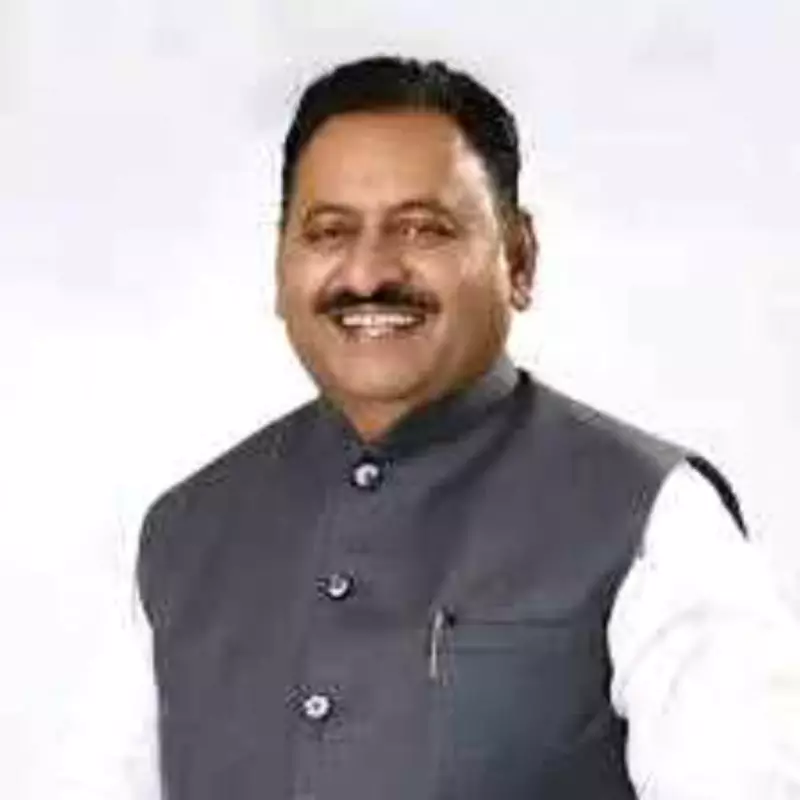
In a significant development for Maharashtra's cooperative housing sector, State Cooperation Minister Babasaheb Patil announced on Monday that the long-delayed draft rules under the Maharashtra Cooperative Societies Act are likely to be cleared soon. The matter is officially scheduled for discussion on Wednesday, marking a crucial step forward after nearly a year of administrative limbo.
Unlocking Stalled Reforms
The approval of these rules is expected to unlock several key reforms that have been stalled for over six months. Although amendments to the Act were made back in 2019, the lack of supporting rules has forced more than 1.25 lakh cooperative housing societies across Maharashtra to continue operating under outdated and often inadequate provisions.
"We are taking the draft up for discussion, and it should be cleared soon," Minister Patil told TOI. He emphasized that the cooperation commissioner has resubmitted the revised draft following extensive consultations with various stakeholders. "The rules have been pending for too long. Following our discussion, they will be sent to the law and judiciary department for final implementation," he added, highlighting the government's renewed commitment to resolving the issue.

Key Reforms Awaiting Implementation
Several critical reforms are yet to come into force due to the rule-making delay. These include:
- New norms for maintenance charges
- Provisions for hybrid general body meetings
Minister Patil explained that "both reforms will help reduce disputes and bring much-needed clarity in the functioning of societies across the state." Once these rules are formally notified, the government intends to finalize the Model Bye-laws 2025, with an implementation goal set for the end of the current year.
Growing Pressure for Action
The push for clarity gained momentum in April last year when the state government first invited public suggestions on the draft rules. Since then, the Maharashtra State Housing Federation has submitted multiple representations urging immediate action, reflecting growing frustration within the cooperative housing community.
State Cooperation Commissioner Deepak Taware confirmed that the revised proposal incorporates feedback from both the minister and various stakeholders. However, the prolonged delay has caused significant operational challenges and uncertainty for housing societies throughout the state.
Constitutional and Judicial Implications
Federation representatives have warned that without these rules, the 2019 housing reforms—particularly those under Chapter XIII-B of the Act—remain "largely on paper," undermining the constitutional spirit of democratic and professional management of cooperative societies.
The administrative limbo has also drawn judicial attention. Shreeprasad Parab, Expert Director of the Maharashtra State Cooperative Housing Federation Ltd, pointed out that the Bombay High Court has observed in recent judgments that amended rules cannot be strictly enforced if they have not been formally notified.
"This creates avoidable uncertainty in governance, administration, and redevelopment," Parab stated. "We have been following up with the state government to notify these rules at the earliest so that the statutory intent of strengthening housing cooperatives can be fully realized."
Cautious Optimism Among Residents
While cooperative housing society members remain hopeful about the impending approval, many express wariness about potential further bureaucratic hurdles. S.K. Singh, a committee member of a housing society in Kondhwa, Pune, captured this sentiment: "There has been a lot of talk but very little movement. We hope the government finally follows through instead of pushing this to the end of the year."
The upcoming discussion on Wednesday represents a critical juncture for Maharashtra's cooperative housing sector, potentially ending years of uncertainty and paving the way for modernized governance structures that could benefit millions of residents across the state.






