Maharashtra Local Body Elections Record 67% Voter Participation
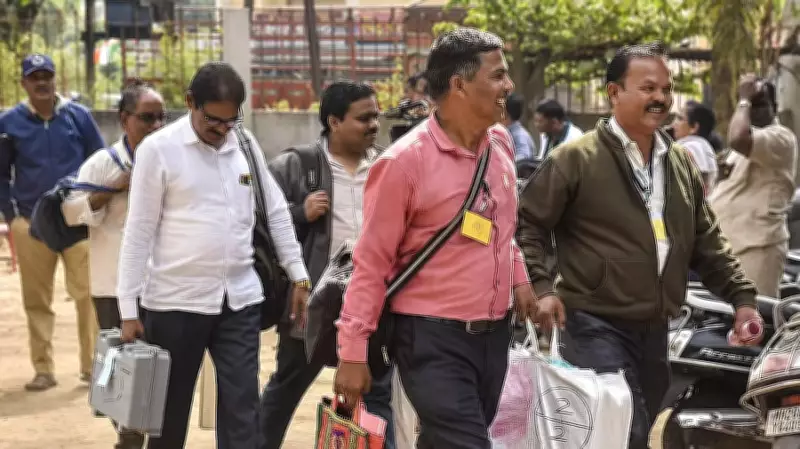
The local body elections across Maharashtra concluded with a significant 67% voter turnout, reflecting robust civic engagement in the state's grassroots democratic process. The elections, which covered various municipal and district-level bodies, saw citizens actively exercising their franchise to shape local governance.
Counting Scheduled for February 9
The electoral process will now move to the crucial phase of vote counting, which is officially scheduled for February 9, 2026. This step is pivotal as it will determine the outcomes for numerous local administrative positions, influencing policy decisions and development initiatives at the community level.
Following the completion of the counting process, the model code of conduct that has been in effect during the election period will be formally lifted. This code, which regulates political conduct to ensure fair play, will cease to apply, allowing normal administrative and political activities to resume without restrictions.

Political Engagement and Social Media Highlights
The elections garnered attention on social media platforms, with political figures encouraging voter participation. For instance, Rohit Pawar, in a post on X (formerly Twitter), emphasized the importance of voting as a tribute to democratic values and called for collective efforts to strengthen democracy. His message, shared on February 7, 2026, highlighted family voting in Baramati and urged citizens to contribute to national democratic strengthening.
This engagement underscores the broader significance of local elections in fostering democratic accountability and community involvement. The high turnout suggests a keen interest among Maharashtra's residents in local governance issues, from infrastructure and public services to environmental and social policies.
Implications for Local Governance
The results of these elections are expected to have direct implications for local development and administration. Key areas likely to be impacted include:
- Urban and Rural Planning: Newly elected representatives will play a role in shaping zoning laws, housing projects, and transportation networks.
- Public Services: Decisions on water supply, sanitation, healthcare facilities, and educational institutions will be influenced by the election outcomes.
- Economic Initiatives: Local bodies may introduce schemes to boost small businesses, agriculture, and employment opportunities in their jurisdictions.
As the state awaits the official results, the focus shifts to how the elected officials will address these pressing issues and collaborate with higher levels of government to implement effective solutions.