

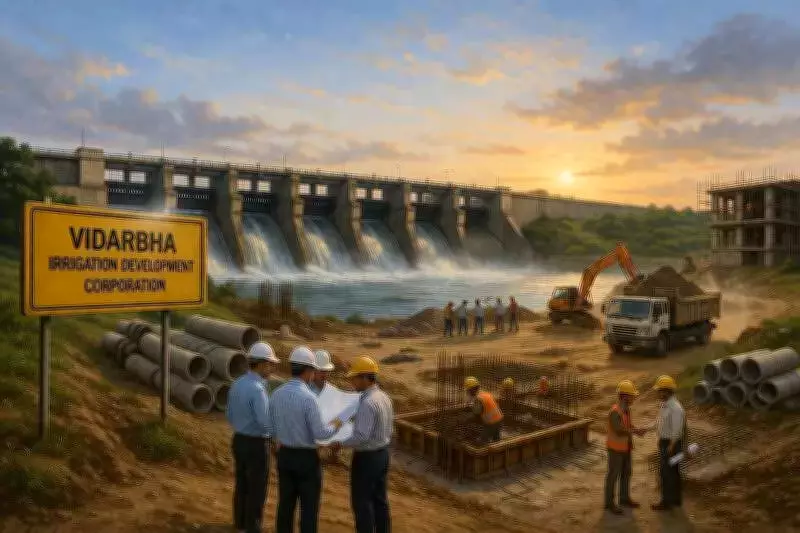
Maharashtra Government Reviews Contractor Work Limit for VIDC
The Maharashtra state government has officially confirmed that the Vidarbha Irrigation Development Corporation (VIDC) currently restricts contractors to a maximum of five simultaneous works. This policy, formalized through a VIDC circular dated March 5, 2019, specifies that a single contractor or a joint venture consortium cannot hold more than five active projects with the corporation at any given time.
Clarification on Scope and Legislative Inquiry
During a session of the Maharashtra Legislative Assembly on Friday, Water Resources Minister Girish Mahajan clarified that this restriction applies exclusively to VIDC and does not extend to other water resources corporations in the state. The issue was raised by Chimur MLA Bunty Bhangdiya through a starred question, who inquired whether the cap was unique to VIDC and if it was disadvantaging local contractors.
Bhangdiya alleged that the five-work ceiling has led to outside contractors cornering development works in the Vidarbha region, potentially sidelining local firms. In response, Minister Mahajan stated that the matter has been taken up with the Chief Minister, indicating high-level attention to the concerns.

Proposal to Relax the Restriction Under Consideration
Minister Mahajan revealed that VIDC has forwarded a proposal to the government to relax the five-work ceiling. This proposal was communicated through a letter dated June 5, 2024, and action on it is currently in progress. The minister confirmed that the proposal is under active consideration, though he did not provide a specific timeline for a final decision.
Key details regarding the proposal's status remain unclear. Minister Mahajan did not indicate whether the proposal has received clearance from the finance department or when a final order might be issued. This lack of timeline leaves contractors and stakeholders awaiting further developments.
Implications and Next Steps
The potential relaxation of the contractor work cap could have significant implications for infrastructure development in Vidarbha. If approved, it may allow local contractors to take on more projects, addressing the concerns raised about outside dominance. However, the government must balance this with ensuring efficient project management and preventing monopolies.
As the proposal moves through governmental channels, stakeholders are advised to monitor official announcements for updates. The outcome will impact not only contractors but also the pace and quality of irrigation and water resource projects in the region.






