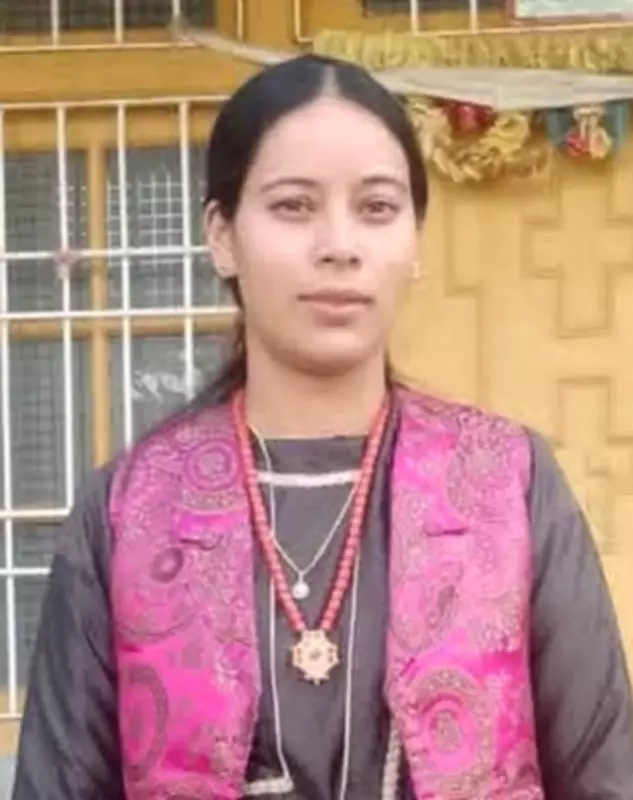
In a remarkable display of unity and democratic spirit, the Malang panchayat in the Lahaul-Spiti district of Himachal Pradesh has set a shining example by electing all its candidates unopposed. The panchayat, comprising several villages, witnessed no contestation for any of the 12 seats, including the posts of pradhan (village head) and up-pradhan (deputy head). This unique scenario has drawn praise from local administration and political observers alike.
Uncontested Election: A Rare Feat
Elections in India, especially at the grassroots level, are often marked by intense rivalry and competition. However, the Malang panchayat broke this trend by ensuring that all candidates were elected without a single vote being cast. The process was completed smoothly, with the newly elected members taking charge amidst celebrations. The local administration facilitated the process, ensuring that all legal formalities were met.
Reasons Behind the Uncontested Polls
Local leaders and residents attribute this achievement to the strong sense of community and mutual trust among villagers. The candidates were chosen through consensus, with the community deciding on the most suitable individuals for each role. This approach not only saved time and resources but also fostered a spirit of cooperation. The pradhan-elect, a woman, expressed gratitude to the villagers for their faith and promised to work for the development of the area.

Impact on Local Governance
The uncontested election is expected to have a positive impact on local governance. With no opposition, the new panchayat can focus on development work without political distractions. Key issues such as road connectivity, water supply, and healthcare facilities are high on the agenda. The panchayat also plans to promote tourism, given the region's scenic beauty and cultural heritage.
Broader Implications for Democracy
This event has sparked discussions about the nature of democracy in India. While contests are essential for democratic health, the Malang example shows that consensus-based elections can also be effective. It highlights the maturity of the electorate and the importance of local leadership in fostering unity. The state government has lauded the panchayat and hopes that other regions will follow suit.
Challenges Ahead
Despite the smooth election, challenges remain. The panchayat must address long-standing issues like unemployment and infrastructure gaps. The lack of opposition could also lead to complacency, but the elected members have assured transparency and accountability. Regular meetings and public feedback mechanisms have been proposed to ensure inclusive governance.
In conclusion, the Malang panchayat has set a precedent by demonstrating that democracy can thrive without rivalry. It serves as a beacon of hope for other panchayats across the country, proving that unity and cooperation can lead to effective governance.