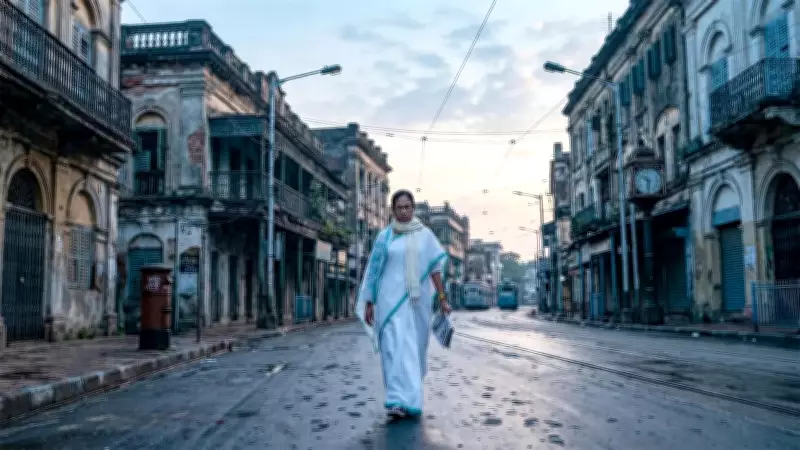
She was looking tired, surrounded by central security forces who were pushing her own security detail further away, creating a distance that felt more than physical. At 71, the strain of the moment showed. Mamata Banerjee was speaking to media outside the Bhabanipur counting centre. She stood there in her white sari with the blue border, but with the drape no longer careful, as if even habit had given way under the weight of what was unfolding. She was alone too.
A Solitary Figure Amidst the Crowd
She was alone because, in that instant, she knew Bhabanipur was slipping from her grasp. Not just a constituency, but a space that had mirrored her journey, grown with her, carried her name like a quiet certainty. The very ground that once echoed with the chants of supporters calling out "Didi" now seemed to fall silent under the weight of electoral defeat. For decades, Mamata Banerjee had been the undisputed leader of West Bengal, a firebrand politician who rose from humble beginnings to become the chief minister. Her connect with the masses was legendary, and Bhabanipur was her home turf, a seat she had held with unwavering support.
The Emotional Toll of Political Defeat
As she addressed the media, her voice, usually strong and defiant, carried a tremor of exhaustion. The security cordon around her was tight, but it could not shield her from the harsh reality of the numbers. The counting trends had been unfavorable throughout the day, and the final verdict was clear: Bhabanipur had chosen a different path. For a leader who had weathered many storms, this loss felt personal. It was not just a political setback but a symbolic end to an era. The white sari with the blue border, her signature attire, seemed to hang loosely, as if the spirit within had dimmed.

The scene outside the counting centre was chaotic. Supporters, many with tears in their eyes, tried to catch a glimpse of their leader, but the security personnel kept them at bay. This physical distance mirrored the growing chasm between Banerjee and the electorate. Once a leader who could command crowds with a mere gesture, she now stood isolated, grappling with the reality of defeat. Political analysts noted that this loss could signal a shift in West Bengal's political landscape, where the Trinamool Congress has dominated for over a decade.
Reflections on a Political Journey
Mamata Banerjee's journey in politics has been nothing short of remarkable. From her early days as a student activist to becoming the first woman chief minister of West Bengal, she has been a symbol of resistance against political dynasties and central overreach. Her tenure saw significant welfare initiatives, but also controversies and allegations of authoritarianism. The Bhabanipur loss, however, marks a critical juncture. It raises questions about her future role in state politics and the succession plan within the Trinamool Congress.
The Silence After the Storm
As she walked away from the podium, the silence spoke volumes. The voice that once called out "Didi" had fallen silent. The crowd dispersed slowly, leaving behind a sense of melancholy. For Mamata Banerjee, the battle may not be over, but the defeat in Bhabanipur will be remembered as a moment when the invincible seemed vulnerable. The political landscape of West Bengal is set for a transformation, and the echoes of this silence will resonate for years to come.