

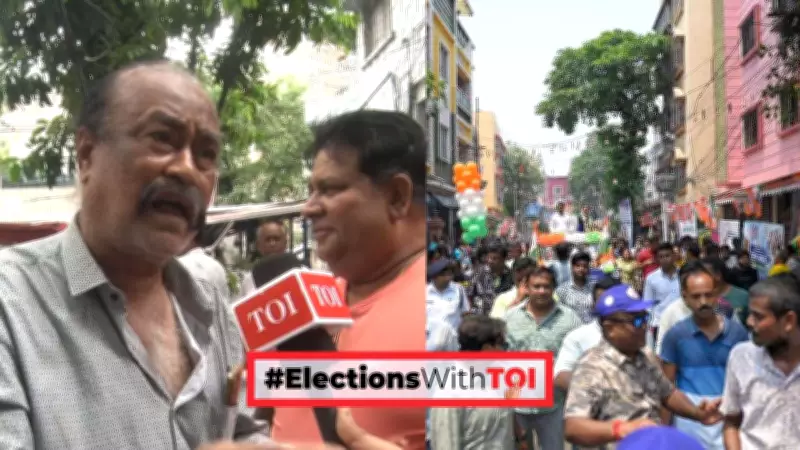
The Maniktala constituency in north-central Kolkata is emerging as a key battleground in West Bengal's 2026 assembly elections, reflecting the complex political dynamics of the state. This densely populated area, home to a mix of Bengali households, Hindi-speaking migrants, traders, and old neighborhood networks, has long been a stronghold of the Trinamool Congress (TMC). The legacy of veteran leader Sadhan Pande continues to dominate the political narrative, with his daughter Shreya Pandey now carrying the mantle. The TMC is banking heavily on this emotional connect to retain the seat.
BJP's Challenge and Key Candidates
The Bharatiya Janata Party (BJP) has fielded veteran leader Tapas Roy in a bid to make inroads into this TMC bastion. Roy, a seasoned politician, brings his own experience and organizational strength to the contest. On the ground, voters express loyalty to the TMC but also hint at silent anger and possible shifts in allegiance. Some residents refuse to speak openly, citing fear of repercussions, which adds an undercurrent of tension to the campaign.
Underlying Issues and Controversies
The RG Kar issue, a sensitive topic in the region, surfaces briefly during discussions but remains largely unspoken, indicating a cautious electorate. Adding to the tension is a voter-list controversy, with claims that hundreds of names have been deleted from the rolls, including those of long-settled Hindi-speaking families. This has raised concerns about disenfranchisement and could influence voter turnout.

Chief Minister Mamata Banerjee remains the central face of the TMC across all seats, and her popularity is a key factor in the party's campaign. The key question is whether the BJP can convert the undercurrents of discontent into votes in constituencies like Maniktala. The outcome here could signal broader trends in the state's political landscape.






