

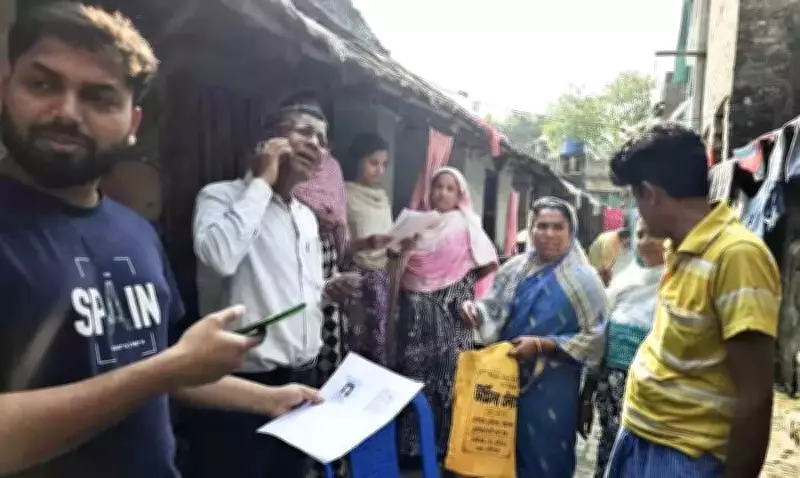
Mass Voter Deletions in Rural Bengal Spark Disenfranchisement Concerns
Following the publication of the first supplementary list on Monday, several pockets of rural Bengal have witnessed large-scale disenfranchisement, with shocking data gradually emerging from different parts of the state. The scale of voter deletions is staggering, raising serious questions about electoral integrity and citizen rights.
Alarming Statistics from Key Locations
In Suti, a single booth saw 432 voters deleted from the electoral rolls. Similarly, in Sujapur, 427 voters were struck off at a single booth, while in Khanakul, 194 electors were removed from a single booth. These numbers represent just the tip of the iceberg, with similar patterns reported across multiple rural constituencies.
Sujapur: Highest 'Under Adjudication' Cases
Sujapur recorded the highest number of 'under adjudication' cases in the SIR region, with 1.3 lakh voters out of 2.5 lakhs facing scrutiny. The supplementary list has only exacerbated the situation. In Bahadurpur village of Seelampur Gram Panchayat, villagers woke to discover that most voters who were under adjudication had been deleted on the supplementary list.

At Booth 3 in Sujapur, 522 voters were under adjudication, and 427 were ultimately deleted. Mir Ali Mahalder, a long-time resident, expressed his frustration: "We have been residents of Sujapur for more than 100 years. My name was there in the 2002 electoral roll. Still, I was called for a hearing and submitted all my documents. But my name has been deleted."
Debipur Village: Family-Wide Deletions
In Debipur village in Aurangabad, Murshidabad, 432 voters were removed from the electoral roll after adjudication. At booth number 112, 539 of the 1,000 listed voters were placed under adjudication. Of these, only 107 names were retained while 432 got deleted.
Khirul Alam, 34, revealed that seven members of his family were sent for adjudication, but only two were included on the supplementary list. "I submitted all documents but still my name has been deleted along with other family members, including two doctors and two physically challenged siblings," he added, highlighting the arbitrary nature of the deletions.
Khanakul: Inconsistent Adjudication Outcomes
In booth 208 under Pursurah constituency in Khanakul, out of 254 voters under adjudication, 194 were deleted. Anarul Ali, 35, shared his family's experience: "My father, three elder brothers and I were under adjudication. My name has been included but the names of my 70-year-old father and three of my elder brothers have been deleted. I don't find any logic here."
Another elector, 31-year-old Sheikh Mijanur Rahaman, reported a similar inconsistency: "My elder and younger brothers' names were under adjudication along with me. Their names were included but my name was deleted."
Elderly Voters Left Worried
Sixty-nine-year-old Nepisa Begum expressed her distress: "My third son and I were called for hearing. I submitted all documents but still my name has been deleted. I am extremely worried. I want my voting rights back." Her case underscores how elderly citizens are particularly vulnerable in this process.
Broader Implications
The widespread voter deletions across rural Bengal represent a significant democratic concern. With hundreds of voters removed from single booths and families experiencing inconsistent adjudication outcomes, there are growing calls for transparency and review of the supplementary list process. The emotional and practical impact on affected citizens cannot be overstated, as voting rights form the foundation of democratic participation.






