

Mekedatu Project Report to Be Submitted to Central Government Within 10 Days
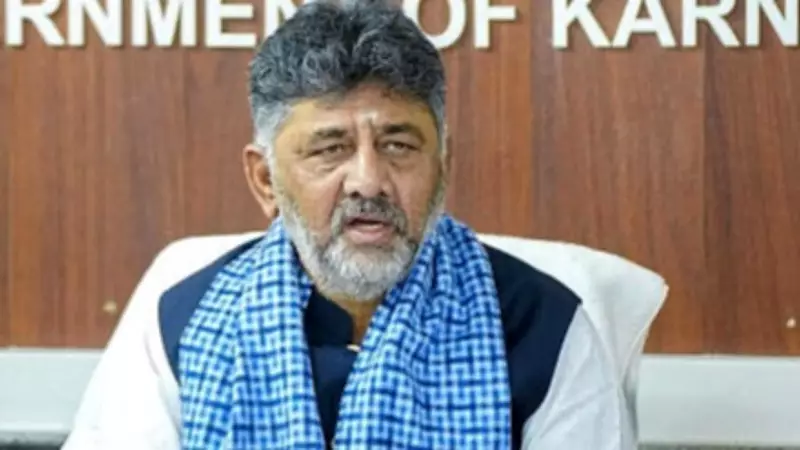
In a significant development for Karnataka's water management, Deputy Chief Minister D K Shivakumar has announced that the detailed project report for the Mekedatu project will be submitted to the Central Government within the next 10 days. This move marks a crucial step forward in the state's efforts to address water resource challenges and enhance infrastructure along the River Cauvery.
Water Sharing Obligations and Karnataka's Commitments
Shivakumar emphasized that Karnataka is obligated to release 177.25 thousand million cubic feet (tmcft) of water from the River Cauvery to Tamil Nadu during each water year, which spans from June to May. This allocation is part of the longstanding inter-state water sharing agreement, which has been a point of contention and cooperation between the two southern states.
The Deputy CM highlighted that the Mekedatu project is designed to optimize water usage and storage, potentially benefiting both Karnataka and Tamil Nadu by ensuring more efficient management of the Cauvery waters. The project aims to create a balancing reservoir near Mekedatu, which could help in regulating water flow and mitigating disputes during periods of scarcity.

Implications for Regional Water Security and Infrastructure
The submission of the project report to the Centre is expected to kickstart further discussions and approvals, paving the way for potential implementation. Shivakumar's announcement comes at a time when water scarcity issues are increasingly pressing, making such infrastructure projects vital for sustainable development.
Experts note that the Mekedatu project could enhance drinking water supply, support agricultural needs, and contribute to hydroelectric power generation in the region. However, it also requires careful consideration of environmental impacts and adherence to legal frameworks governing river water sharing.
As Karnataka moves forward with this initiative, stakeholders from both states will be closely monitoring the progress, hoping for a balanced approach that respects the rights and needs of all parties involved in the Cauvery basin.






