

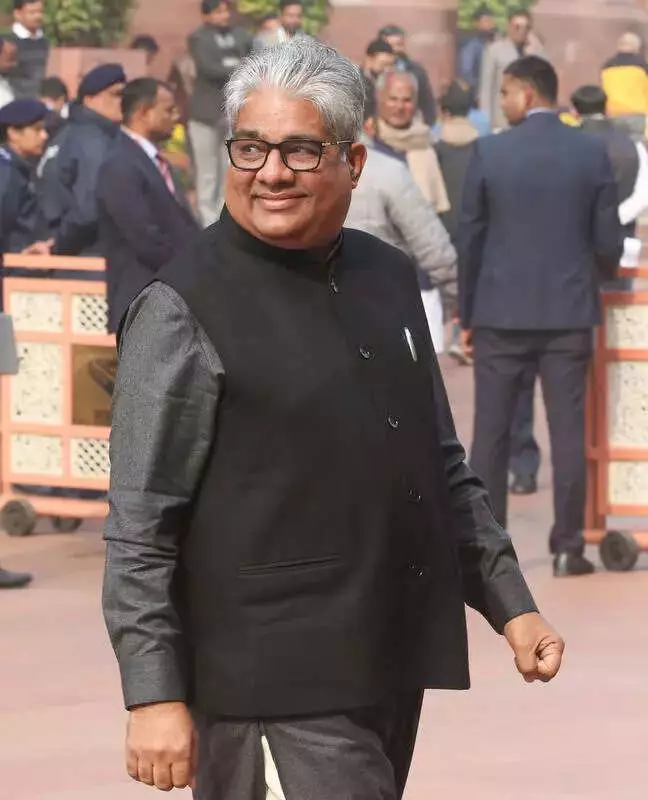
Union Environment Minister Bhupender Yadav has pointed to a lack of development and monopolistic practices holding back the Sunderbans, asserting that the region's true potential can only be realized under the right political leadership. The minister made these remarks on Sunday, highlighting critical issues like encroachment and poor tourism infrastructure.
Identifying the Core Challenges
Speaking as the BJP's election in-charge for Bengal, Yadav did not mince words in diagnosing the problems plaguing the iconic mangrove forest. He identified three major hurdles: widespread encroachment, the issue of illegal migrants, and the notably poor development of tourism infrastructure. Despite being designated a Unesco World Heritage site, a status that should spur conservation and sustainable growth, the region has not seen commensurate progress.
"This is a Unesco World Heritage site. But I believe there's a monopoly here in terms of tourism activities," Yadav stated, pinpointing a significant barrier to equitable growth.

The Tourism Monopoly and a Call for Change
Elaborating on the tourism bottleneck, the Union Minister claimed that benefits from visitors are concentrated in the hands of a select few. "Only a few people here, including boat owners, are enjoying a monopoly in tourism. This should change," he emphasized. This concentration, according to Yadav, prevents broader economic participation from local communities and limits the overall quality and expansion of tourism services in the Sundarbans.
His comments suggest that breaking this entrenched monopoly is crucial for creating a more inclusive and robust tourism economy that can support the region's development and conservation goals simultaneously.
A Vision for Unlocked Potential
The central thrust of Yadav's argument is that the Sunderbans "largely remains under-developed" but possesses immense latent potential. He directly linked the realization of this potential to "proper political leadership." This framing ties the region's future development to the political landscape of West Bengal, indicating that administrative will and effective governance are the missing keys.
By connecting sustainable development, tourism reform, and political accountability, the minister's statements place the Sunderbans at the intersection of environmental policy and regional politics. The call for change is clear: to transform this global heritage site from an underdeveloped area with monopolistic controls into a model of sustainable and inclusive growth.






