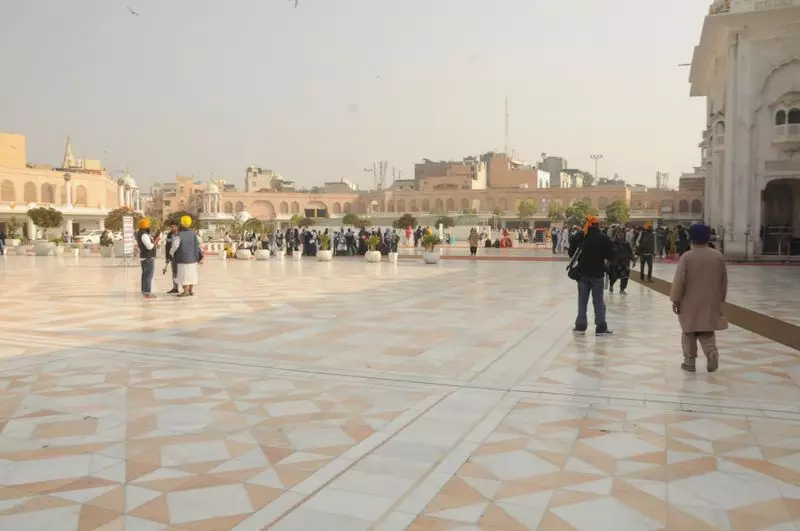
The Aam Aadmi Party government in Punjab has ignited both support and criticism with its recent decision to grant holy city status to Galliara in Amritsar, creating a polarized response among residents and political observers.
Political Decision Meets Public Scrutiny
Chief Minister Bhagwant Mann announced the decision to designate Galliara as a holy city during his visit to Amritsar on Tuesday. The move immediately triggered diverse reactions across the religious city known for the Golden Temple. While some residents welcomed the development, others expressed skepticism about the timing and intentions behind the decision.
The announcement came during the Chief Minister's extensive tour of the border areas, where he reviewed various development projects and assessed the progress of ongoing initiatives. Mann emphasized that the decision aligned with the state government's commitment to preserving religious and cultural heritage sites across Punjab.
Contrasting Voices Emerge from Amritsar
Local residents presented sharply divided opinions about the government's move. Supporters of the decision argued that granting holy city status to Galliara would enhance its religious significance and potentially boost tourism in the area. They believe the designation will bring additional resources for infrastructure development and preservation of the site's spiritual character.
However, critics questioned the necessity of the decision, suggesting it might be politically motivated rather than addressing pressing public needs. Some residents expressed concern that the move could be more symbolic than substantive, diverting attention from more urgent development issues facing Amritsar.
The mixed reactions highlight the complex relationship between religious identity and political decisions in a city that serves as the spiritual center for Sikhs worldwide. Amritsar, already home to the holiest Sikh shrine, the Golden Temple, now faces discussions about what additional holy city designations mean for its future development.
Broader Implications for Punjab Politics
Political analysts are watching the development closely, as it represents one of the AAP government's significant religious-cultural decisions since coming to power. The response to this decision could influence the party's standing in a region where religious sentiments often intersect with political preferences.
The timing of the announcement during the Chief Minister's border area review suggests the government sees religious-cultural initiatives as part of its broader development agenda. However, the divided public reaction indicates that such decisions require careful handling and transparent communication to gain widespread acceptance.
As the debate continues, all eyes remain on how the AAP government will implement the holy city status and whether it will translate into tangible benefits for Galliara's residents and visitors. The coming months will reveal whether this decision strengthens the government's connection with religious communities or becomes another point of contention in Punjab's complex political landscape.