Maharashtra MSRTC Smart Card Fee Sparks Passenger Resistance in Chhatrapati Sambhajinagar
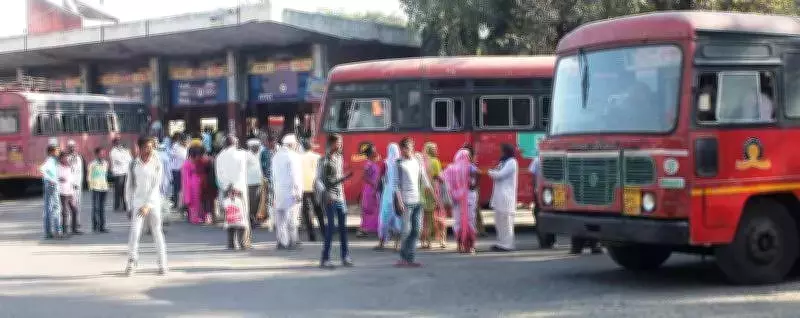
The Maharashtra State Road Transport Corporation (MSRTC) is facing growing resistance from passengers following the reintroduction of mandatory smart cards for those eligible for fare concessions. While officials describe the initiative as a digital streamlining effort, a significant number of beneficiaries have voiced strong opposition to the Rs199 fee required to obtain the card.
Digital Initiative Meets Public Backlash
The National Common Mobility Card (NCMC) serves as the foundation for this new system, an initiative spearheaded by state transport minister Pratap Sarnaik. "The NCMC is not only a technical improvement, but also a step toward digitally strengthening the trust of passengers," Sarnaik emphasized. "All three crucial elements — accurate recording of concessions, transparent reimbursement processes, and cashless transactions — will be seamlessly integrated into one comprehensive card."
However, as registration for the smart cards commenced, numerous passengers immediately objected to the Rs199 registration fee. Particularly affected are women passengers who currently enjoy a 50% discount on bus fares and will now need to obtain the smart card to continue receiving this concession in the future.

Passengers Question Fee Logic and Necessity
"The smart card should be provided free of charge," argued Jyoti Beedkar, a homemaker from the region. "There is absolutely no logical justification for charging money for it, as this appears to be nothing more than a profit-making practice targeting concession beneficiaries."
A substantial section of passengers has further contended that existing government proofs related to identity, age, and disability status should be sufficient to claim concessions without requiring additional documentation. They view the smart card requirement as an unnecessary duplication of measures that creates additional bureaucratic hurdles.
MSRTC Defends Fee Structure and System Benefits
MSRTC spokesperson Abhijeet Bhosale defended the nominal fee, explaining that it covers the costs associated with issuing the NCMC cards. "The fees for smart cards will be further reduced to Rs149 if passengers submit their old smart cards," Bhosale clarified. "This card represents an advanced electronic device that incorporates both payment and money recharge capabilities. Passengers can conveniently refill money on their cards through multiple channels."
The available recharge options include:
- ETIM machines carried by bus conductors
- The official MSRTC mobile application
- The corporation's official website
- Authorized agents across the state
Bhosale revealed that approximately 300 agents have been appointed statewide, supplementing the existing MSRTC workforce to facilitate smooth registration processes for the smart card system.
Addressing Fraud Concerns Through Digital Verification
Shrirang Barge, general secretary of the Maharashtra ST Karmachari Congress, highlighted how the smart card system could address significant fraud concerns. "Numerous passengers falsely claim to be senior citizens to avail free travel on MSRTC buses," Barge explained. "Currently, no effective mechanism exists to verify the authenticity of their bogus Aadhaar cards and other age-related documents. Bus conductors often find themselves unable to confront such fraudulent beneficiaries directly."
The smart card system aims to create a verifiable digital record that would help curb such fraudulent practices while ensuring legitimate concession beneficiaries receive their entitled benefits without unnecessary complications.
Despite these purported benefits, the resistance movement continues to gain momentum as passengers question whether digital convenience should come at an additional financial cost to those already receiving fare concessions.