

Mumbai Hawker Crackdown Faces Criticism from Political Leader
Days after the Bombay High Court issued a strict mandate capping eligible hawkers and pushing for the formation of long-pending town vending committees, Shiv Sena leader Sanjay Nirupam has raised serious concerns about the implementation of these directives. On Thursday, Nirupam alleged that the ongoing crackdown on street vendors in Mumbai has become indiscriminate, disproportionately affecting legitimate hawkers who are entitled to protection under existing laws.
Allegations of Blanket Evictions Without Proper Verification
Nirupam claimed that under the guise of taking action against "Bangladeshi" hawkers, civic authorities are targeting licensed and eligible vendors who should be protected under the Street Vendors Act. "Instead of identifying who is authorised and who is not, the BMC has resorted to blanket evictions," he stated, emphasizing that such actions undermine both due process and the high court's specific directions.
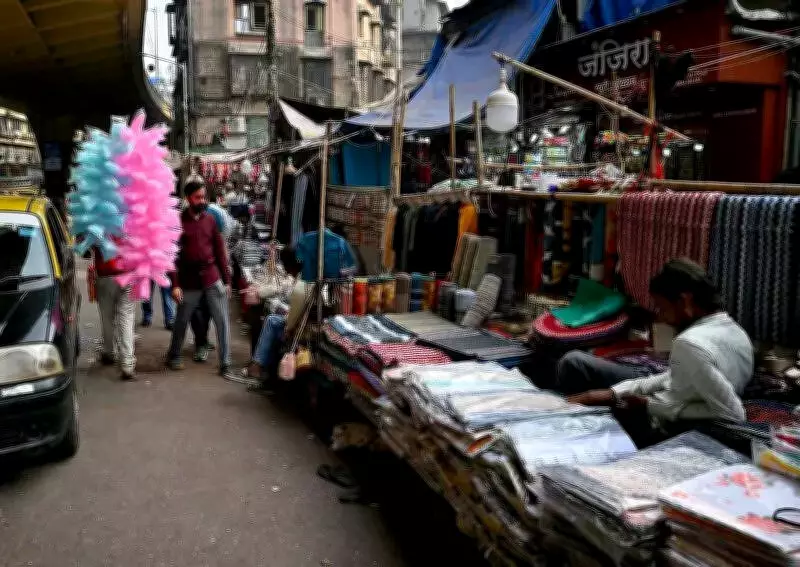
The political leader pointed to recent enforcement drives in multiple areas across Mumbai, including Mulund, Chembur, Dadar, and Crawford Market (Dawa Bazaar), where vendors report being removed without prior verification of their legal status. According to these accounts, authorities have failed to conduct the crucial identification exercise that the court has repeatedly emphasized as a prerequisite to any enforcement action.

Failure to Implement Court-Mandated Procedures
Nirupam highlighted what he described as a fundamental failure in the civic body's approach to hawker regulation. The Bombay High Court has consistently stressed the importance of properly identifying eligible hawkers before undertaking any enforcement measures, yet this crucial step appears to have been bypassed in recent operations.
"Similar to her agenda, even we want illegal or Bangladeshi hawkers out of the city," Nirupam said, referring to Mumbai Mayor Ritu Tawde who has been leading the action against illegal hawkers. "But then this can't come in a manner that legal hawkers are being impacted in the name of Bangladeshis illegally residing in the city."
Questioning the Effectiveness of Current Enforcement
The Shiv Sena leader raised pointed questions about the actual outcomes of the crackdown, particularly regarding its stated target of addressing illegal Bangladeshi hawkers. "Also in the last few months, who are the Bangladeshi hawkers that have been picked up as yet? If the number is zero, it points that action isn't being taken in the right direction," he argued.
This criticism comes at a crucial time for Mumbai's street vendor ecosystem, as the city grapples with balancing urban order with the livelihoods of thousands of legitimate hawkers. The Bombay High Court's directives were specifically designed to create a structured framework for hawker regulation through properly constituted town vending committees, which would establish clear guidelines for who can operate where and under what conditions.
Nirupam's statements highlight growing concerns about whether current enforcement actions are aligned with both legal requirements and practical realities on Mumbai's streets. The tension between maintaining urban order and protecting legitimate livelihoods continues to challenge municipal authorities as they implement court-mandated reforms to the city's hawker regulation system.






