Study Flags 'Striking Anomaly' in Kolkata Electoral Discrepancy Lists
A recent study conducted by the Kolkata-based Sabar Institute has uncovered what researchers are calling a "striking anomaly" in electoral data from four key seats in the city. The research, which focuses on addressing social disparities, reveals that Muslim names appear disproportionately in lists of logical discrepancies compiled by the Systematic Identification and Resolution (SIR) process.
Research Methodology and Key Findings
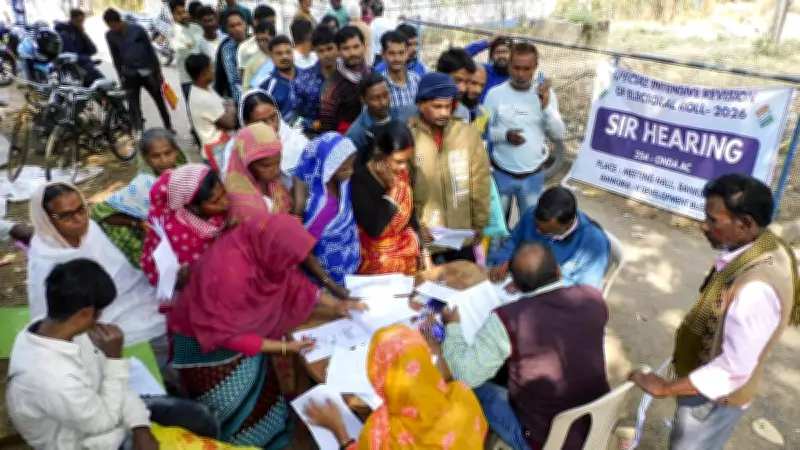
The Sabar Institute, known for its work on social equity issues, conducted an in-depth analysis of electoral records from four specific Kolkata constituencies. The study examined the SIR's logical discrepancy lists, which are designed to identify inconsistencies or irregularities in voter registration data that require further verification or correction.
The findings indicate a significant overrepresentation of individuals with Muslim names in these discrepancy lists, suggesting potential systemic issues in how electoral data is processed or verified across these constituencies. Researchers noted that this pattern appears consistently across all four seats studied, though the specific degree of overrepresentation varies between constituencies.

Implications for Electoral Fairness
This discovery raises important questions about electoral integrity and fairness in Kolkata's political landscape. Logical discrepancies in voter lists can lead to various administrative challenges, including potential difficulties for affected individuals during the voting process or questions about the accuracy of electoral rolls.
The disproportionate representation of Muslim names in these lists suggests that members of this community may be facing unique barriers or inconsistencies in the electoral registration system. Researchers emphasize that this pattern warrants further investigation to determine whether it results from:
- Systemic biases in data collection or verification processes
- Specific administrative practices in certain constituencies
- Broader social or demographic factors affecting registration accuracy
- Potential gaps in outreach or assistance for certain communities
Context and Broader Significance
The study emerges against the backdrop of ongoing discussions about electoral transparency and social equity in West Bengal politics. Kolkata, as the state capital and a major urban center, represents a critical arena for examining how administrative systems interact with diverse communities.
The Sabar Institute's research adds to a growing body of work examining how electoral systems function across different demographic groups. By highlighting this specific discrepancy pattern, the study provides concrete data that could inform policy discussions about improving electoral administration and ensuring equal access to voting rights for all communities.
Researchers have called for additional studies to determine whether similar patterns exist in other constituencies or states, and to identify the specific mechanisms that might be contributing to this disproportionate representation. The findings also raise questions about whether current discrepancy identification processes might inadvertently reflect or reinforce existing social disparities.
Next Steps and Recommendations
Based on their findings, the Sabar Institute researchers have suggested several potential areas for follow-up investigation and policy consideration:
- Detailed analysis of the specific types of discrepancies affecting Muslim-named individuals
- Examination of whether similar patterns affect other minority communities
- Review of current discrepancy identification and resolution procedures
- Assessment of community-specific outreach and assistance programs
- Collaboration with electoral authorities to address identified issues
The study represents an important contribution to understanding how electoral systems function in practice, particularly in diverse urban environments like Kolkata. As electoral processes continue to evolve with technological advancements and administrative reforms, such research helps ensure that fairness and equity remain central considerations in democratic governance.