Maharashtra's MVA Alliance Still Deliberating on Rajya Sabha Candidates Ahead of March 16 Elections
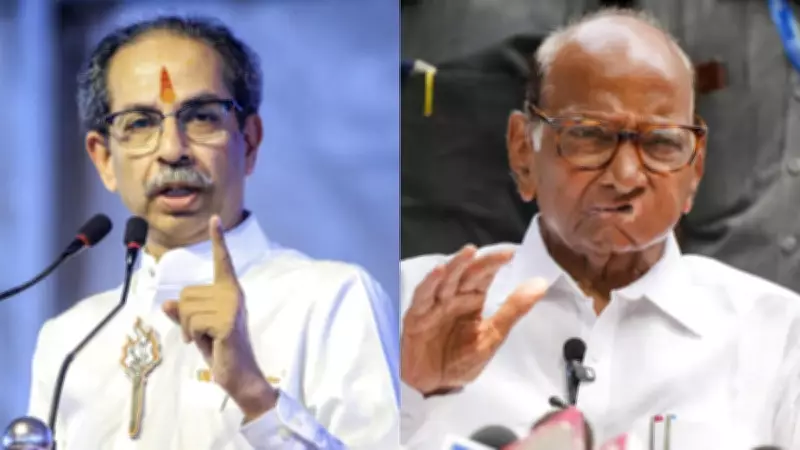
The Maha Vikas Aghadi (MVA) coalition in Maharashtra remains undecided on its candidates for the crucial Rajya Sabha elections set for March 16, 2024. This delay highlights ongoing internal discussions and strategic planning within the alliance, which includes the Shiv Sena (UBT), Nationalist Congress Party (SP), and Congress.
Political Uncertainty and Alliance Dynamics
Sources within the MVA indicate that the alliance is carefully evaluating potential nominees to maximize its chances in the upcoming polls. The Rajya Sabha elections are significant as they determine representation in the upper house of Parliament, influencing national policy and legislative processes. Maharashtra, with its substantial number of seats, is a key battleground in this electoral process.
The indecision stems from several factors, including seat-sharing agreements and the need to balance regional and national interests. Each party within the MVA is advocating for its preferred candidates, leading to prolonged negotiations. This situation is further complicated by the current political climate in Maharashtra, where alliances are often fluid and subject to change.
Impact on Election Strategy
The delay in finalizing candidates could affect the MVA's campaign strategy, as other political factions, such as the ruling Bharatiya Janata Party (BJP) and its allies, have already begun their preparations. Timely candidate announcements are crucial for mobilizing support and securing votes from legislators, making this period critical for the alliance's success.
Key considerations in the MVA's decision-making process include:
- Candidate Credibility: Selecting individuals with strong political backgrounds and public appeal.
- Alliance Harmony: Ensuring that choices do not disrupt the cohesion among Shiv Sena (UBT), NCP (SP), and Congress.
- Electoral Mathematics: Calculating the number of votes required to win seats based on the strength of each party in the state legislature.
Broader Implications for Maharashtra Politics
This development underscores the challenges faced by opposition coalitions in India, where coordination and consensus-building are essential yet often difficult to achieve. The outcome of the Rajya Sabha elections could influence Maharashtra's political landscape, potentially affecting future state elections and policy directions.
As the March 16 deadline approaches, political observers are closely monitoring the MVA's moves. The alliance's ability to resolve internal differences and present a united front will be a test of its stability and effectiveness in countering the BJP's dominance in the region.
In summary, the MVA's ongoing deliberations reflect the complex dynamics of coalition politics in Maharashtra, with significant stakes for both state and national governance.