

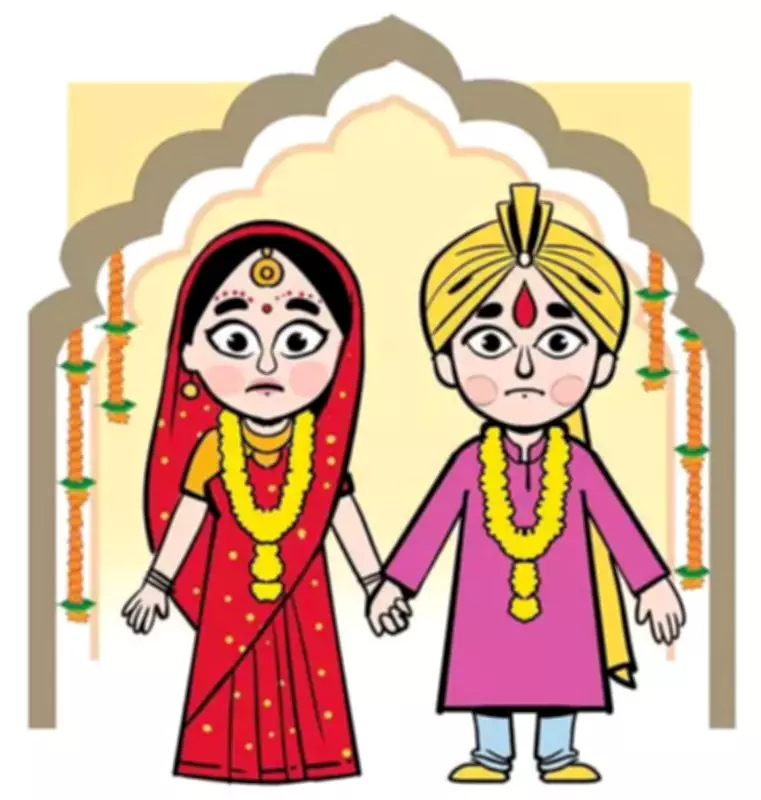
Mysuru's Child Marriage-Free Gram Panchayat Award Sees No Takers
In a revealing and somewhat disheartening turn of events, the Mysuru district administration's well-intentioned award scheme aimed at recognizing Gram Panchayats that have successfully eradicated child marriage has failed to attract a single applicant. This initiative, part of broader efforts to combat the deep-rooted social issue of child marriage in Karnataka, was launched with the goal of incentivizing local governance bodies to actively work towards creating child marriage-free communities.
Details of the Award Scheme
The award was designed to honor Gram Panchayats that could demonstrate a complete absence of child marriage cases within their jurisdictions over a specified period. Authorities had set clear criteria, including documentation of awareness campaigns, community engagement activities, and verification mechanisms to ensure compliance with legal age limits for marriage. The recognition was intended not only as a symbolic gesture but also to encourage peer learning and replication of successful strategies across the district.
Potential Reasons for the Lack of Interest
Several factors may explain why no Gram Panchayats stepped forward to claim this award. First, the stringent requirements for proof and verification might have deterred applications, as documenting zero cases can be challenging in rural areas where informal practices sometimes persist. Second, there could be a lack of awareness about the scheme itself among local officials, suggesting gaps in communication from district authorities. Additionally, social stigma or reluctance to publicly acknowledge such issues, even in a positive context, might have played a role. Some experts speculate that the award's focus on eradication alone, without addressing underlying socio-economic drivers like poverty and education gaps, could limit its appeal.

This development raises important questions about the effectiveness of top-down award schemes in tackling complex social problems like child marriage. While incentives can motivate action, the zero response in Mysuru indicates that more grassroots engagement and support might be necessary. Child marriage remains a significant challenge in parts of Karnataka, with data showing persistent cases despite legal prohibitions. The award's failure to attract applicants could signal a need for revised strategies, such as providing resources for implementation rather than just recognition, or involving community leaders more directly in the process.
Broader Implications and Future Steps
The situation in Mysuru serves as a case study for policymakers and NGOs working on child marriage prevention across India. It underscores the importance of aligning incentives with on-ground realities and ensuring that initiatives are accessible and practical for local bodies. Moving forward, authorities might consider simplifying application processes, offering training or funding to help Gram Panchayats meet criteria, or shifting focus to incremental progress rather than absolute eradication. This incident also highlights the ongoing struggle against child marriage, emphasizing that legal frameworks alone are insufficient without robust community-led efforts and continuous monitoring.






