

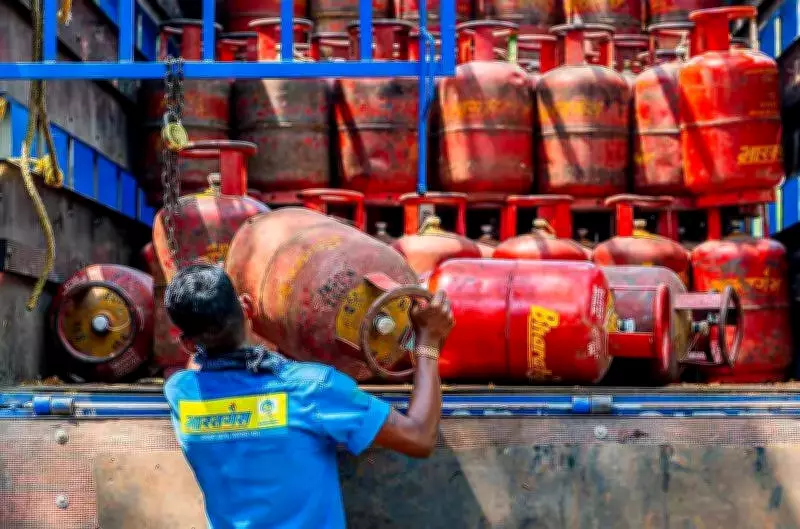
Nagpur Administration Intensifies Crackdown on LPG Cylinder Black-Marketing
In response to a deepening shortage of LPG cylinders exacerbated by the ongoing West Asia conflict, the district administration in Nagpur launched extensive raids across the city on Wednesday. The operation aims to check illegal stocking and black-marketing of cylinders, ensuring domestic supplies reach households rather than being diverted for commercial use.
Widespread Raids Target Suspected Locations
Officials confirmed that raids were conducted at gas agency offices, storage facilities, and other suspected spots throughout Nagpur. A senior administrative official told TOI that teams inspected multiple locations, including a gas agency in Sadar, two godowns at Jaripatka, and another in Pardi. "The administration's focus is to ensure citizens get an appropriate supply of LPG cylinders," the official stated. "Today, a 5-member team carried out the action, and the drive would intensify in coming days on the collector's order."
When questioned about irregularities, the official mentioned that stock verification was performed at several sites, with a report to be compiled soon. This crackdown is part of a broader effort to stabilize LPG distribution amid mounting challenges.

Restaurants and Vendors Struggle Amid Cylinder Scarcity
The raids come at a critical time when numerous restaurants, roadside eateries, and small food stalls in Nagpur face severe difficulties in procuring commercial LPG cylinders to sustain their businesses. Many vendors have reportedly resorted to using domestic cylinders or shifting to alternative fuels like wood or coal to continue operations. This shift has sparked concerns among consumer rights activists over the alleged diversion and black-marketing of domestic LPG cylinders.
Activists Highlight Systemic Failures and Propose Solutions
Nitin Solanki of the Grahak Dakshata Kalyan Foundation attributed the current crisis to long-standing gaps in planning and infrastructure. "This situation arose due to lack of foresight on part of the Central and state governments as well as oil companies," he asserted. Solanki emphasized the urgent need to enhance India's LPG storage capacity and infrastructure, suggesting the country should have the capacity to store LPG sufficient for at least six to seven months, with an increase in bottling plants.
"The most serious concern is black-marketing of domestic LPG cylinders, which are being widely used at commercial establishments and in vehicles," Solanki added. He recommended stronger technological tracking measures, such as implementing barcode, QR code, and RFID tagging systems to monitor cylinder movement effectively. "All consumers should undergo e-KYC, and domestic LPG cylinders must be supplied strictly for household use only to prevent misuse. Commercial establishments must be compelled to use only commercial cylinders," he concluded.
The administration's proactive measures underscore the growing impact of the West Asia conflict on local economies and the necessity for robust regulatory frameworks to safeguard essential supplies.






