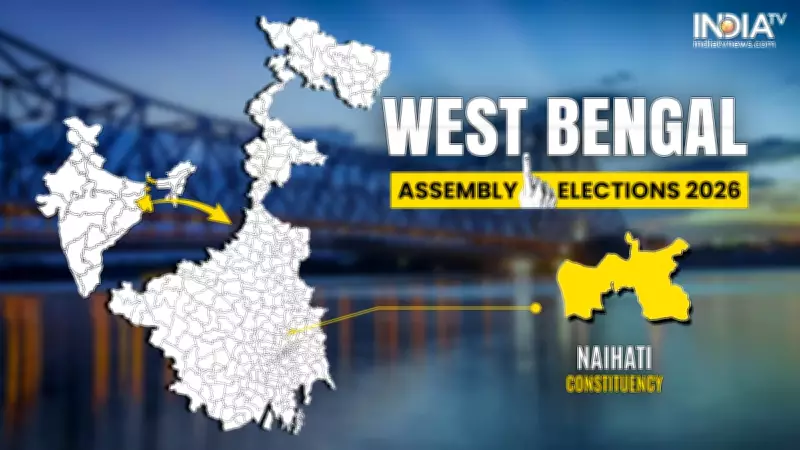
Naihati Assembly Seat 2026: A Comprehensive Profile for West Bengal Elections
The Naihati assembly seat, located in the North 24 Parganas district of West Bengal, is poised to be a significant battleground in the upcoming 2026 state legislative elections. This constituency has a rich political history and is closely watched by analysts due to its competitive nature and shifting voter allegiances over the years. As parties gear up for the electoral contest, understanding the seat's profile, including past winners, victory margins, and potential candidates, becomes crucial for predicting outcomes and strategizing campaigns.
Historical Overview and Past Winners of Naihati Assembly Seat
Naihati has witnessed a dynamic political landscape, with various parties securing victories in different election cycles. In the 2021 West Bengal assembly elections, the seat was won by the All India Trinamool Congress (TMC), continuing a trend of dominance by regional parties in recent years. Prior to that, the constituency saw wins by the Communist Party of India (Marxist) (CPI(M)) during the Left Front era, highlighting a transition in voter preferences over time. The historical data reveals a pattern of close contests, with margins often being narrow, indicating the seat's sensitivity to local issues and candidate appeal.
Analysis of Victory Margins and Electoral Trends
The victory margins in Naihati have varied significantly across elections, reflecting the intense competition among political parties. In the 2021 polls, the winning margin was relatively substantial, but earlier elections, such as those in 2016 and 2011, saw much tighter races with margins as low as a few thousand votes. This volatility underscores the importance of grassroots mobilization and effective campaigning in this constituency. Factors influencing these margins include demographic shifts, economic developments, and the impact of national versus state-level issues on voter behavior.
Party-Wise Candidates and Strategies for 2026 Elections
As the 2026 elections approach, major political parties are expected to field strong candidates in Naihati. The TMC is likely to nominate an incumbent or a prominent local leader to retain the seat, leveraging its current hold and governance record. The Bharatiya Janata Party (BJP), which has been expanding its presence in West Bengal, may put forward a candidate with a focus on national issues and development agendas. The Indian National Congress (INC) and the Left Front, including CPI(M), are also anticipated to contest, aiming to revive their historical support bases through targeted outreach and coalition strategies.
Key strategies for parties will involve addressing local concerns such as infrastructure, employment, and social welfare, while also navigating broader political narratives. The candidate selection process will be critical, with parties likely to prioritize individuals with strong community connections and a track record of public service. Additionally, alliances and seat-sharing agreements could play a pivotal role in shaping the electoral dynamics in Naihati.
Conclusion: Implications for West Bengal's Political Landscape
The Naihati assembly seat serves as a microcosm of West Bengal's evolving political scenario, where regional and national parties vie for influence. The 2026 elections here will not only determine local representation but also signal broader trends in voter sentiment across the state. With past winners showing a mix of continuity and change, and victory margins highlighting competitive fervor, this constituency remains a key indicator of electoral shifts. As parties finalize their candidates and campaigns, the outcome in Naihati could have ripple effects on West Bengal's overall political alignment and governance priorities in the coming years.