

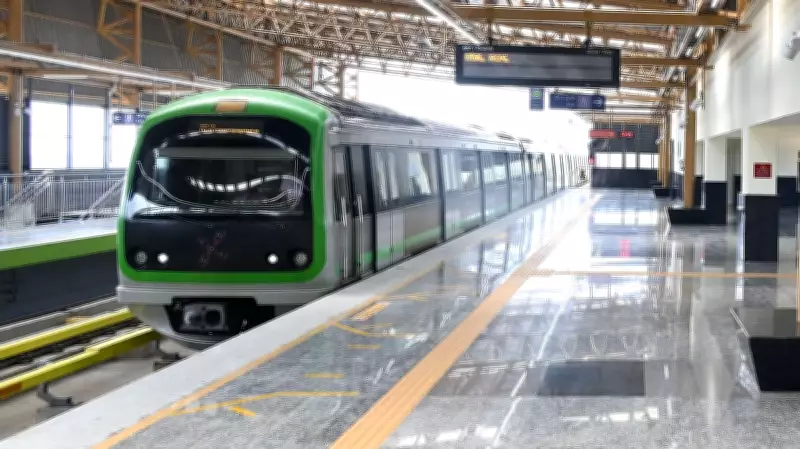
Uncertainty Surrounds Namma Metro Fare Increase as Centre's Position Unclear
The proposed fare hike for Bengaluru's Namma Metro, scheduled to begin on Monday, remains in limbo as the Central Government has yet to issue an official statement regarding putting the increase on hold. This development follows a detailed phone conversation between Union Minister for Housing and Urban Affairs, Manohar Lal Khattar, and local political leaders who have raised concerns about the affordability of metro services in the city.
Political Intervention and Upcoming Discussions
Tejasvi Surya, a prominent political figure, publicly disclosed that he had engaged in a comprehensive discussion with Minister Khattar, urgently requesting intervention against what he described as the State Government's unjust metro fare hike. Surya emphasized that Bengaluru already contends with the highest metro fares among Indian cities, making the proposed increase particularly burdensome for daily commuters.
The Deputy Chief Minister is scheduled to convene a meeting with the Bangalore Metro Rail Corporation Limited (BMRCL) on Monday to deliberate on the fare structure and the broader implications of any decision. This meeting is anticipated to address both the immediate concerns of commuters and the long-term financial sustainability of the metro system.

Potential Consequences of Withholding the Fare Hike
Insiders and sources familiar with the matter have issued a stark warning that preventing the fare increase could open a Pandora's box of financial and operational challenges. The metro system relies on fare revenue to cover operational costs, maintenance, and future expansions. Blocking the hike might lead to budget shortfalls, potentially affecting service quality, safety standards, and planned infrastructure projects.
Furthermore, such a move could set a precedent for other public transport systems across the country, complicating fare revision processes and financial planning. The BMRCL has likely conducted extensive studies to justify the fare adjustment, considering factors like inflation, rising energy costs, and the need for technological upgrades.
Broader Implications for Urban Mobility
This situation highlights the ongoing tension between making public transportation affordable for citizens and ensuring its economic viability. Bengaluru, as a rapidly growing metropolitan area, depends heavily on the metro to alleviate traffic congestion and reduce pollution. Any disruption in its funding model could have ripple effects on urban mobility, environmental goals, and the overall quality of life in the city.
Stakeholders, including commuter groups, urban planners, and policymakers, are closely monitoring the outcome of Monday's meeting. The decision will not only impact daily travel expenses for thousands but also signal the government's approach to balancing public welfare with infrastructure development in India's tech capital.






