Nandigram's Political Legacy Becomes Battleground for BJP and Trinamool Congress
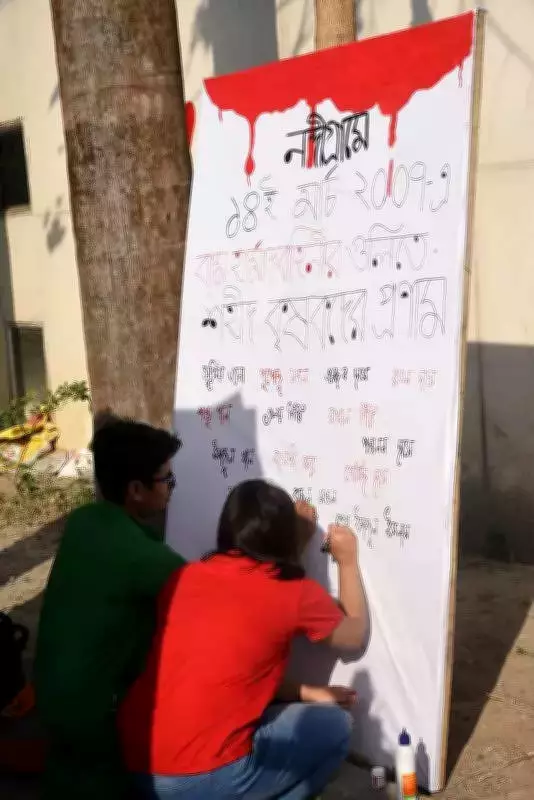
The historic town of Nandigram, once the epicenter of West Bengal's fierce land acquisition movement, transformed into a theatre of intense political competition on Saturday. Both the Bharatiya Janata Party (BJP) and the ruling Trinamool Congress (TMC) engaged in aggressive mobilisation efforts, each striving to claim the powerful legacy of the martyrs from the 2007 protests.
Opposition Leader Suvendu Adhikari Leads BJP's Commemorative Rallies
Early in the morning, Suvendu Adhikari, the Leader of the Opposition in the West Bengal Legislative Assembly, spearheaded a significant rally at Gokulnagar's Adhikari Para. Adhikari, a former Trinamool leader who defected to the BJP, paid solemn floral tributes at the martyrs' column, honoring those who lost their lives.
This initial ceremony was followed by a second, equally poignant event at the Sonachura Martyrs' Minar. Addressing the gathered crowd, Adhikari emphasized the enduring significance of the date. "We can never forget March 14. It was a battle of the people to save their homes and hearths. This historic day is etched in our memory," he declared, framing the struggle as a foundational moment for the region's identity.

Chief Minister Mamata Banerjee's Digital Homage and TMC's Ground Outreach
On the other side of the political divide, Chief Minister Mamata Banerjee utilized social media platform X to pay her respects. In her post, she wrote: "On Nandigram Diwas, I pay my humble respects and heartfelt salutations to all martyrs of the world, including Nandigram, Singur and Netai." Her message broadened the scope of remembrance while firmly anchoring Trinamool's connection to the cause.
Simultaneously, the Trinamool Congress organized a substantial ground-level outreach program under the banner of the Bhumi Uchched Pratirodh Committee (Land Acquisition Resistance Committee). Party activists conducted rallies and gatherings at key locations, including Bhangabera and Adhikari Para, directly countering the BJP's physical presence and reinforcing their claim as the movement's authentic custodians.
The Fractured Observance of a Historic Day
The political rift over Nandigram's legacy has deepened significantly since Suvendu Adhikari's high-profile exit from the Trinamool Congress and subsequent joining of the BJP. What was once a unified commemoration has now splintered into a fractured affair, with former colleagues and allies standing on opposing sides of symbolic and literal barricades.
Each party now vehemently asserts itself as the "true heir" to the Nandigram movement, a struggle that began on March 14, 2007. On that fateful day, cadres of the Communist Party of India (Marxist), allegedly disguised as policemen while wearing distinctive 'hawai chappals' (slippers), stormed villages in Nandigram. They entered via the Khejuri and Tekhali bridges in a violent attempt to suppress the burgeoning anti-Special Economic Zone (SEZ) movement against the then-ruling Left Front government.
This annual observance has thus evolved from a day of solemn remembrance into a stark display of West Bengal's contemporary political polarization, where history itself becomes a contested prize in the ongoing battle for electoral supremacy and moral authority.