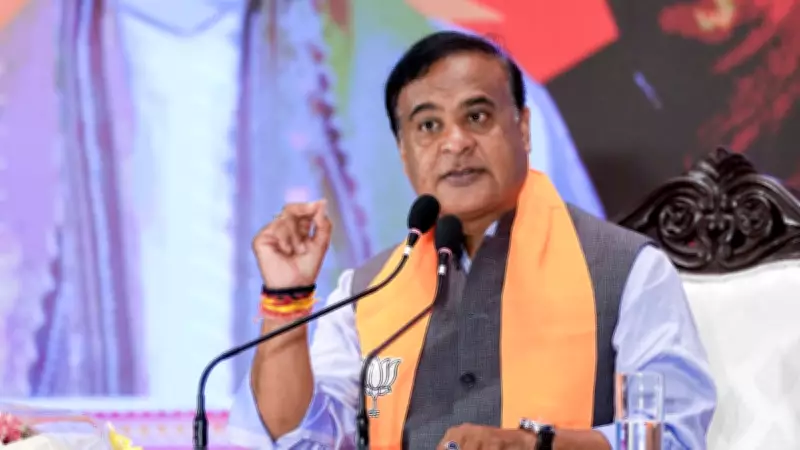
The 2026 Assam assembly elections witnessed a significant shift in the political landscape as the National Democratic Alliance (NDA) improved its performance compared to the 2021 polls. The alliance, led by the Bharatiya Janata Party (BJP), secured a higher number of seats and increased its vote share, consolidating its position in the state.
Seat Gains and Losses
In the 2021 Assam assembly elections, the NDA won 75 seats out of 126, with the BJP alone bagging 60 seats. In 2026, the alliance surged to 85 seats, with the BJP winning 70 seats. The Asom Gana Parishad (AGP) and the United People's Party Liberal (UPPL) also contributed to the alliance's tally, winning 10 and 5 seats respectively. The opposition, led by the Congress party, saw a decline from 29 seats in 2021 to 22 seats in 2026.
Vote Share Analysis
The NDA's vote share increased from 51.2% in 2021 to 54.8% in 2026, reflecting a growing acceptance of the alliance's policies and governance. The BJP's individual vote share rose from 45.3% to 48.5%. The Congress party's vote share dropped from 30.2% to 27.1%, while the All India United Democratic Front (AIUDF) saw a decline from 12.4% to 10.5%.

Key Factors Behind NDA's Success
Several factors contributed to the NDA's improved performance in 2026. These include:
- Effective Implementation of Central Schemes: The successful rollout of central government schemes such as Ayushman Bharat and PM Kisan Samman Nidhi resonated with voters.
- Infrastructure Development: Improved road connectivity, electricity supply, and digital infrastructure in rural areas boosted the NDA's image.
- Law and Order: The state government's efforts to maintain peace and curb insurgency were appreciated by the electorate.
- Social Welfare Programs: Initiatives like the Orunodoi scheme for women and free rice distribution gained popularity.
Regional Dynamics
The NDA also benefited from strong performances in the Bodoland Territorial Region and other tribal areas, where the UPPL's alliance with the BJP paid dividends. In the Barak Valley, the BJP improved its presence, winning 8 seats compared to 5 in 2021. The AIUDF's influence waned due to internal conflicts and a shift in voter sentiment.
Opposition's Challenges
The Congress-led opposition faced several challenges, including a lack of cohesive leadership and failure to counter the NDA's narrative effectively. The AIUDF's decline was attributed to its inability to retain its core Muslim vote bank, which partially shifted to the Congress. The Left parties continued to struggle, winning only 2 seats.
Voter Turnout and Demographics
Voter turnout in 2026 was 82.4%, slightly lower than the 84.2% in 2021. The NDA performed well among rural voters, women, and first-time voters, while the opposition retained support in urban areas and among certain minority groups.
Conclusion
The 2026 Assam assembly elections reaffirmed the NDA's dominance in the state, with the alliance increasing its seat tally and vote share. The BJP's focus on development, welfare, and security paid off, while the opposition failed to mount a credible challenge. As Assam moves forward, the NDA's strengthened mandate is expected to accelerate ongoing projects and policies.