

Migration Wave: Nilgiris Residents Seek New Lives in Coimbatore
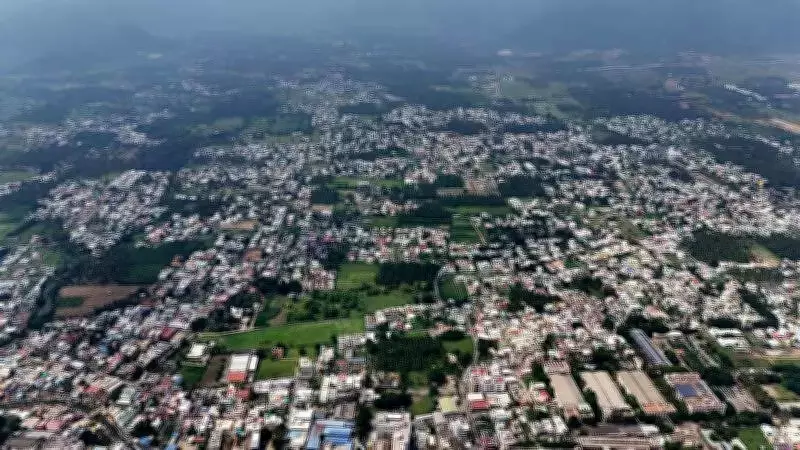
In a significant demographic shift, the number of people migrating from the Nilgiris district and settling in Coimbatore district has seen a substantial increase over the past 15 years. Registration department officials report that this trend has accelerated notably in recent years, with the northern part of Coimbatore emerging as the most favored destination for those moving from Udhagamandalam and surrounding hill areas to the plains.
Key Drivers: Education and Employment
Higher education opportunities and employment prospects stand out as the two primary factors fueling this migration. R Saravanan, a 47-year-old farmer from Thuneri in the Nilgiris, highlights that children in the district can only pursue education up to Class 10 locally. For higher secondary and advanced studies, families are compelled to relocate to the plains, a situation that has become a major catalyst for the rapid rise in migration.
Saravanan further explains that tea growers have faced unfair prices for nearly two decades, with limited alternative employment options beyond tea plantations in the hill district. This economic strain pushes many residents toward industrial hubs like Coimbatore for work, often leading to permanent settlement, especially when considering healthcare needs for elderly family members.

Personal Stories: From Struggle to Stability
L Manikandan, a resident of Veerappandi Pirivu on Mettupalayam Road in Coimbatore, shares his experience of moving from the Nilgiris due to a lack of livelihood opportunities. After getting married, he has lived in Coimbatore for 15 years, citing unstable job options in his hometown as a key reason. Manikandan points to low tea prices and frequent wildlife encounters as major factors for leaving, and he credits his relocation for achieving a wealthier status in Coimbatore.
As a realtor, Manikandan observes that nearly 60% of youth have left the Nilgiris, primarily for education and employment. He notes a clear uptick in migration over recent years, with about 50% of migrants being salaried employees in large companies, while the other half have established themselves through bakeries, small-scale units, and real estate ventures.
Educational and Safety Concerns
B L Shivakumar, principal of Sri Ramakrishnan College of Arts and Science in Coimbatore, who settled there 20 years ago after hailing from the Nilgiris, discusses safety issues. He mentions that wild animal movements make it unsafe to travel after 7 PM, hindering students from attending part-time classes or skill-based courses. This environment also complicates preparation for national-level exams like NEET and JEE, forcing many youths to seek better opportunities elsewhere.
Shivakumar adds that cities such as Coimbatore, Tirupur, Bengaluru, and Chennai offer not only superior employment options but also more stable wages, which has become a crucial reason for the growing exodus.
Infrastructure and Appeal of Coimbatore
Officials attribute the preference for Coimbatore's northern parts to their proximity to the Nilgiris and improved road connectivity. Beyond agriculture, these areas boast a growing presence of industries and educational institutions, enhancing their attractiveness for migrants. This combination of factors underscores a broader trend of urbanization and economic migration in the region.






