

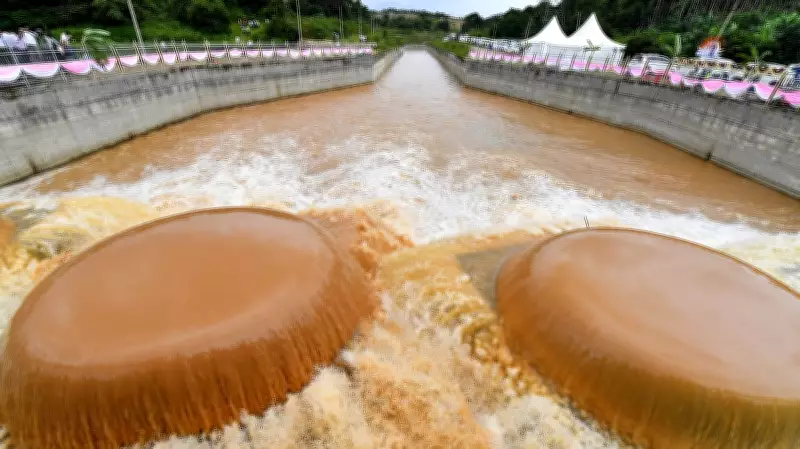
MoEF Panel Imposes Penalty Condition for Yettinahole Project Forest Clearance
A significant development has emerged regarding the ambitious Yettinahole project in Karnataka, as a panel from the Ministry of Environment and Forest (MoEF) has mandated that the project authorities must pay a penalty to secure the necessary forest clearance. This decision comes as the project, valued at a staggering Rs 23,251.66 crore, progresses through its implementation phases.
Project Overview and Current Status
The Yettinahole project, a major infrastructure initiative aimed at addressing water scarcity and irrigation needs, has been structured into two distinct phases. The first phase, which focused on lift irrigation works, was officially declared completed in September 2024. This milestone marked a crucial step forward in the project's timeline, setting the stage for subsequent developments.
However, the path to full operationalization has encountered a regulatory hurdle. The MoEF panel, in its recent assessment, has determined that the project's impact on forested areas necessitates a compensatory measure in the form of a financial penalty. This requirement is part of the conditions for granting forest clearance, which is essential for the project to proceed without legal impediments.

Implications of the Penalty Decision
The imposition of a penalty underscores the growing emphasis on environmental compliance in large-scale development projects across India. By linking forest clearance to a monetary penalty, the MoEF panel aims to ensure that ecological concerns are adequately addressed, potentially funding reforestation or conservation efforts in affected regions.
For the Yettinahole project, this means that project authorities must now navigate this additional financial and administrative step before they can fully advance to the second phase. The exact amount of the penalty has not been disclosed in the initial reports, but it is expected to be substantial, given the project's scale and the sensitive nature of the forest areas involved.
Broader Context and Future Steps
This development highlights the intricate balance between infrastructure development and environmental protection in Karnataka and beyond. The Yettinahole project, once completed, is anticipated to significantly enhance water availability for irrigation and domestic use, but it must also adhere to stringent environmental norms to mitigate its ecological footprint.
Moving forward, project stakeholders will need to engage with the MoEF panel to fulfill the penalty requirement and secure the forest clearance. This process may involve detailed submissions, negotiations, and potentially, adjustments to project plans to minimize environmental impact. The outcome will be closely watched by environmentalists, policymakers, and local communities alike, as it sets a precedent for similar projects in the region.
In summary, the MoEF panel's decision to require a penalty for forest clearance adds a new layer of complexity to the Yettinahole project, emphasizing the critical role of environmental governance in India's development trajectory.






