

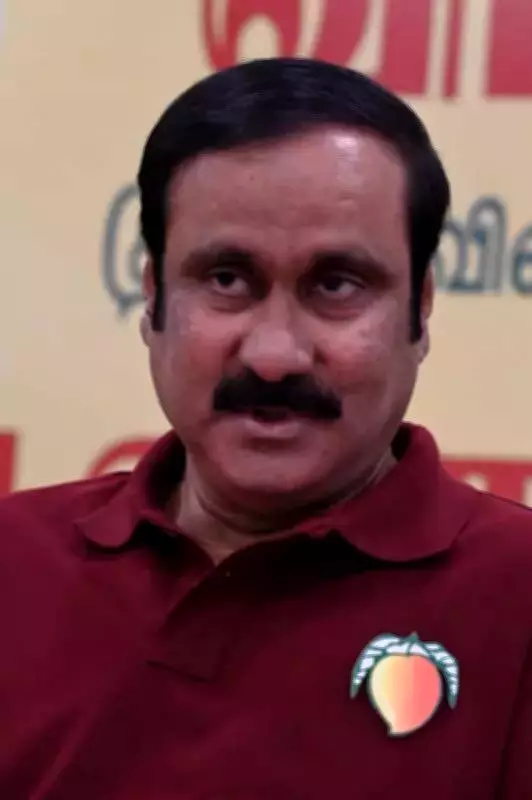
PMK Leader Anbumani Ramadoss Condemns Tamil Nadu Government's Crackdown on Protesting Workers
In a strongly worded statement issued on Saturday, PMK president Anbumani Ramadoss has vehemently condemned the Tamil Nadu government's recent crackdown on protesting midday meal and anganwadi workers. He demanded that the state administration initiate immediate dialogue with the workers and fulfill their comprehensive 13-point charter of demands.
Workers' Key Demands Include Pension Hike and Regularization
The protesting workers, comprising part-time permanent staff, midday meal organizers, cooks, and helpers, have been demanding full-time permanent status with time-scale pay. Their other crucial demands include a significant hike in pension from the current ₹2,000 to ₹6,750 per month. Additionally, they seek a retirement gift of ₹5 lakh for organizers and ₹3 lakh for cooks, along with the urgent filling of all vacant posts.
Government's Response and Renewed Protests
Following state-wide protests on January 20, the government promised action, leading to the withdrawal of the initial strike. However, on January 24, Chief Minister M K Stalin announced only a ₹3,400 pension and a ₹2 lakh retirement gift, which Anbumani Ramadoss described as insufficient. Dissatisfied with this response, the workers have relaunched an indefinite sit-in protest from February 3.

Arrests and Condemnation of Government Actions
Anbumani Ramadoss criticized the government for resorting to arresting the protesting workers without inviting them for talks. He also condemned Sunday's 'JACTO-GEO' thanks-giving meeting, which honored Chief Minister M K Stalin, labeling it as a 'cruel comedy' that mocks the genuine grievances of the workers.
The PMK leader emphasized that the government must address the legitimate concerns of these essential workers, who play a vital role in the state's nutrition and childcare programs. He called for a humane and just resolution to the ongoing dispute, urging the administration to prioritize dialogue over punitive measures.






