From Cadre to Camera: The Growing Power of PR in Kerala Politics
Kerala's political environment is undergoing a profound evolution, marked by an increasing reliance on public relations and strategic communication. This shift represents a move away from traditional, cadre-driven political methods toward a more media-centric approach that emphasizes image management and public perception.
The Changing Face of Kerala's Political Leadership
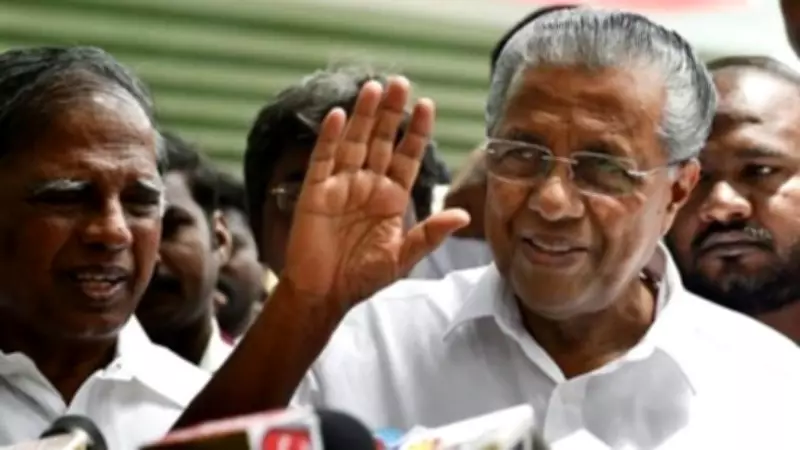
Chief Minister Pinarayi Vijayan, often perceived as a rigid and uncompromising figure in the past, has become a focal point in this transformation. His political persona, once characterized by steadfastness and an unwavering stance, is now being carefully curated through sophisticated PR techniques. This evolution reflects a broader trend where Kerala's politicians are recognizing the critical importance of how they are portrayed in the media and perceived by the electorate.
The traditional model of Kerala politics, heavily dependent on party cadres and grassroots mobilization, is being supplemented—and in some cases, supplanted—by professional communication strategies. Political parties are increasingly investing in media consultants, social media experts, and public relations firms to shape narratives, manage crises, and build favorable public images.
Factors Driving the PR Revolution in Kerala
Several key factors are contributing to the growing influence of public relations in Kerala's political sphere:
- Media Proliferation: The expansion of digital media, television channels, and online platforms has created a 24/7 news cycle that demands constant engagement and image management.
- Changing Voter Expectations: Today's electorate in Kerala is more informed and media-savvy, expecting transparency, accessibility, and polished communication from their leaders.
- Competitive Political Landscape: With multiple parties vying for power in Kerala's vibrant democracy, effective PR has become a crucial differentiator in electoral battles.
- Global Influences: The success of PR-driven political campaigns in other Indian states and internationally has inspired Kerala's political class to adopt similar strategies.
Implications for Democratic Processes
This shift toward PR-dominated politics carries significant implications for Kerala's democratic processes. On one hand, it enables politicians to communicate more effectively with constituents, articulate policies clearly, and respond swiftly to public concerns. On the other hand, it raises questions about substance versus style, and whether image management might sometimes overshadow genuine governance and policy implementation.
The case of Chief Minister Pinarayi Vijayan illustrates this tension perfectly. While his administration continues to pursue its political agenda, there's now parallel emphasis on how that agenda is packaged and presented to the public. This dual focus on both governance and communication represents a new paradigm in Kerala politics.
As Kerala moves forward, the balance between traditional political values and modern communication strategies will likely define its political future. The state's unique political culture, known for its high literacy rates and politically aware population, makes this transition particularly noteworthy and potentially influential for other regions observing Kerala's political evolution.