Puducherry Chief Minister Renews Push for Statehood Ahead of Crucial Assembly Elections
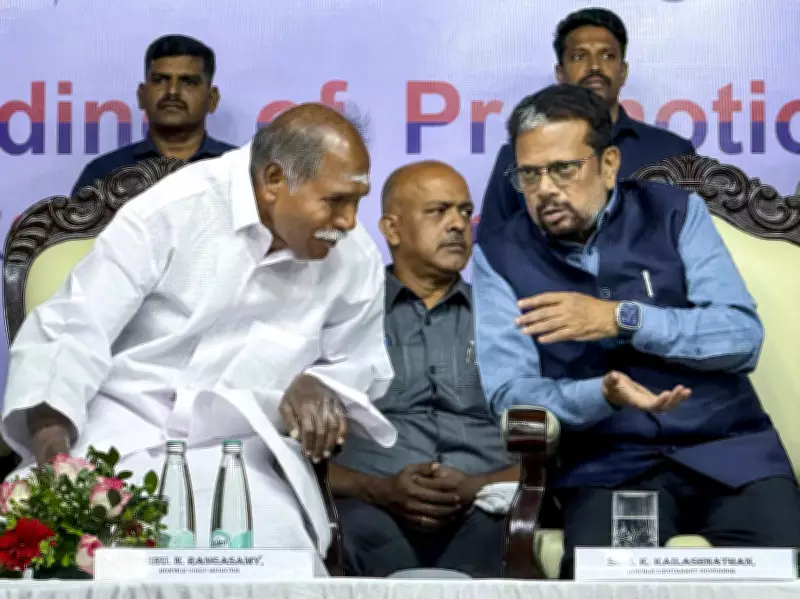
In a significant political development, Puducherry Chief Minister N Rangasamy has once again emphasized the urgent need for statehood for the Union Territory. This renewed demand comes just ahead of the assembly elections scheduled for April, setting the stage for a heated electoral debate on the region's constitutional status.
Responding to Opposition Pressure
Rangasamy's statement was delivered in direct response to remarks made by opposition DMK leaders R Siva and AMH Nazeem, who had earlier urged that the statehood demand should be pursued "without let-up." The chief minister's intervention during the assembly session highlighted the growing political consensus around this long-standing issue.
The Historical Context of Puducherry's Status
Puducherry has maintained its Union Territory status since the former French settlements officially merged with India in 1962. This arrangement has persisted for over six decades, during which time the region has developed its unique cultural and administrative identity while operating under central government oversight.

Constitutional Limitations on Elected Government
The chief minister articulated the fundamental problem with Puducherry's current status, describing it as a "hindrance" to effective governance. Under the Union Territory framework, key executive powers are exercised by the lieutenant governor, who serves as a central government appointee, rather than the democratically elected chief minister.
"Lack of powers for the elected government under Puducherry's current Union Territory status has been a major obstacle, preventing the ministry from taking swift decisions and implementing programmes," Rangasamy stated in the assembly, according to PTI reports.
Political Positioning and Conditional Support
Rangasamy clarified his party's position on the matter, stating that "My party, the All India NR Congress, would support the statehood demand if there is a collective consensus among all legislators and political parties." This conditional approach suggests a strategic political calculation as elections approach, seeking to build broad-based support while managing potential opposition.
Development Achievements Despite Constraints
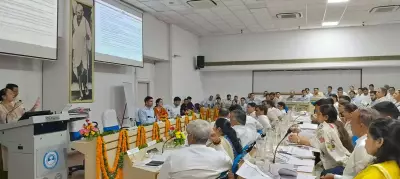
The chief minister highlighted that Puducherry had achieved "significant development" over the past five years, despite the challenges arising from the limited powers of the elected government. As the assembly session marked the final sitting of the five-year House, Rangasamy expressed satisfaction with his administration's performance.
"As today's assembly session marks the final sitting of the five-year House, I feel fully satisfied that we were able to meet the aspirations and expectations of the people, thanks to the cooperation of all sections," the chief minister stated, positioning his government as effective despite constitutional limitations.
Opposition's Strong Support for Statehood
Both opposition leaders, Siva (the leader of the opposition in the assembly) and Nazeem, expressed the DMK's "full support" for Puducherry's demand for statehood. Their commitment to the cause was particularly noteworthy, as they indicated willingness to take extraordinary measures to achieve this goal.
"To achieve statehood, we will back any decision, including boycotting the forthcoming Assembly elections, if necessary, as statehood is crucial for the welfare of the people," the DMK leaders declared, demonstrating the depth of their commitment to the issue.
Session Concludes with Unresolved Issue
Following the chief minister's comprehensive response to members' views on statehood and other matters, Speaker R Selvam adjourned the House sine die. This conclusion leaves the statehood question unresolved but firmly placed on the political agenda as the territory prepares for upcoming elections.

The Broader Implications
The renewed statehood demand raises several important questions about governance, federalism, and regional autonomy in India's political system. As a Union Territory with a unique colonial history, Puducherry's case presents particular challenges and opportunities for constitutional reform.
The timing of this discussion, just before assembly elections, ensures that statehood will be a central campaign issue. Voters will likely consider not just immediate governance concerns but also the long-term constitutional status of their region when they cast their ballots in April.