Political Alliances in Puducherry Face Severe Internal Rifts
The political landscape in Puducherry has become increasingly volatile as significant rifts have emerged within both the ruling coalition and the opposition alliance. The National Democratic Alliance (NDA), led by the AINRC and BJP, and the opposition Secular Progressive Alliance, comprising Congress and DMK, are grappling with internal disagreements that threaten to destabilize their electoral strategies.
NDA Alliance Confronts Friction Over LJK Inclusion
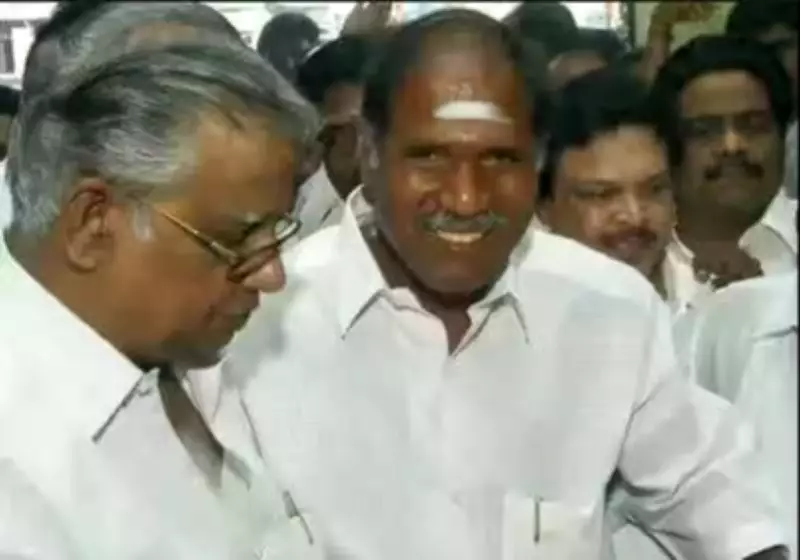
The ruling AINRC-BJP alliance is experiencing heightened tension primarily due to the proposed inclusion of the Latchiya Jananayaga Katchi (LJK) into the coalition. This party was founded by Jose Charles Martin, the son of prominent lottery magnate Santiago Martin. The controversy has escalated to the point where AINRC founder and Chief Minister N Rangasamy notably skipped a crucial meeting called by Union Minister Mansukh L Mandaviya at a hotel in Puducherry on Tuesday, which was intended to resolve the issue.
Following the unsuccessful meeting, Mandaviya departed for Delhi on the same day, accompanied by Speaker of the legislative assembly R Selvam, Home Minister A Namassivayam of the BJP, and BJP president V P Ramalingam. Their mission was to brief the party high command on the current political scenario in the union territory.

Second-tier leaders within the AINRC have issued a stern warning, stating that the party, despite leading the NDA in Puducherry, will exit the alliance if their demand to exclude LJK is not met. Although AINRC and BJP had previously agreed on a 16:14 seat-sharing formula for the 30-member assembly, Rangasamy has strongly opposed the BJP's decision to allocate two seats to LJK from within its own quota of 14 seats.
AINRC functionaries revealed that Rangasamy is deeply concerned about the potential reputational damage and alienation of the local electorate that could arise from associating with the son of a lottery baron. This apprehension underscores the delicate balance of maintaining public trust while navigating coalition politics.
Opposition Alliance on Collision Course Over Seat Distribution
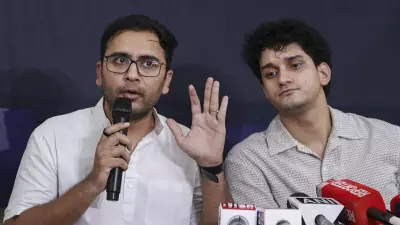
The situation within the opposition Secular Progressive Alliance is described as even more volatile, with Congress and DMK locked in a contentious dispute over seat-sharing arrangements. Congress has been adamant about contesting 21 seats, leaving only nine for its ally DMK. In contrast, DMK has insisted on securing 15 seats for itself.
AICC in-charge of Tamil Nadu and Puducherry, Girish Chodankar, communicated to Puducherry DMK coordinator S Jagathrakshakan and other local DMK leaders that Congress has proposed to contest 21 seats. However, Jagathrakshakan responded firmly to reporters, asserting that DMK will not withdraw its demand for 15 seats. He further warned that DMK is prepared to contest all 30 seats independently if no consensus is reached between the two parties.
This deadlock highlights the intense negotiations and power struggles within the opposition camp, as both parties vie for electoral advantage in the upcoming assembly elections. The inability to find common ground could fragment the opposition, potentially benefiting the ruling alliance.
Broader Implications for Puducherry's Political Stability
The deepening rifts within both major political alliances in Puducherry signal a period of uncertainty and potential realignment ahead of the elections. The refusal of Chief Minister Rangasamy to engage in dialogue over the LJK issue, coupled with the inflexible stance of Congress and DMK on seat-sharing, suggests that internal cohesion is severely lacking.
These developments could lead to significant shifts in alliance structures, impacting voter confidence and electoral outcomes. As key leaders travel to Delhi for consultations and public statements grow more confrontational, the political climate in Puducherry remains tense and unpredictable.
The ongoing crises underscore the challenges of coalition politics in a diverse electoral landscape, where local sensitivities, reputational concerns, and strategic calculations often collide. The resolution of these disputes will be critical in shaping the future governance and political direction of Puducherry.