

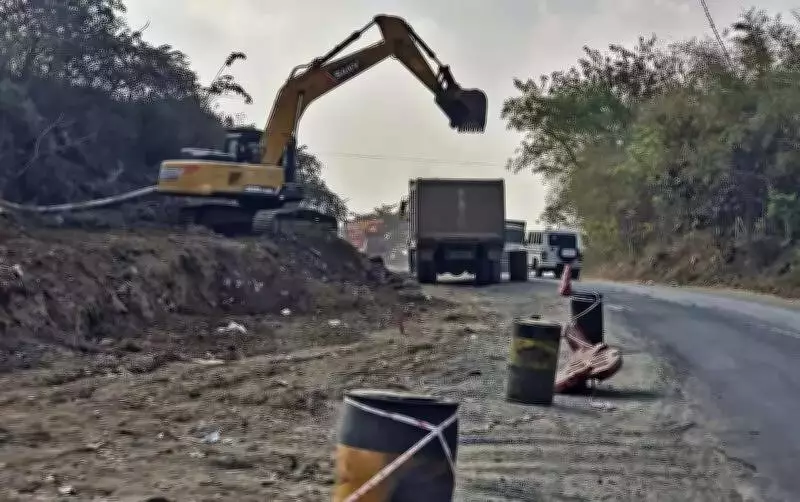
Pune Corporators Voice Frustration Over Incomplete Roads and Administrative Delays
During a heated general body meeting on Wednesday, more than 25 corporators representing various political parties in Pune expressed serious concerns regarding the city's incomplete development plan (DP) roads and connecting links. These infrastructural gaps, they argued, are significantly contributing to daily traffic congestion and chaos across multiple neighborhoods.
Land Acquisition Hampered by TDR and Compensation Delays
The corporators highlighted that persistent delays in processing transferable development rights (TDRs), floor space index (FSI) approvals, and cash compensation payments are severely obstructing land acquisition efforts necessary for road construction projects. Senior corporator Rajendra Barate emphasized that numerous TDR-related proposals for land acquisition have remained pending with the municipal administration for several years.
"These prolonged delays are discouraging land owners from voluntarily surrendering their parcels for essential road and civic works," Barate stated during the meeting, underscoring how administrative bottlenecks are directly impacting public infrastructure development.

Specific Problem Areas Identified Across City
Corporators representing recently merged areas including Nagar Road, Wagholi, Hadapsar, Bavdhan, Katraj, and Ambegaon brought attention to several critical issues:
- The 12-meter service road along the Katraj-Dehu Road bypass remains inadequately developed despite repeated assurances from authorities
- The connecting road between Hinjewadi and Baner-Balewadi-Kothrud areas suffers from similar neglect and incomplete development
- Former mayor Prashant Jagtap criticized the entire TDR allotment process against land acquisition as fundamentally flawed
"Many DP roads proposed in previous development plans remain incomplete to this day," Jagtap noted, demanding that the administration establish clear accountability measures and hold officers responsible when road works fail to meet established deadlines.
Administrative Response and Proposed Solutions
City Engineer Aniruddha Pavaskar responded to the concerns by announcing that officers from relevant departments would conduct immediate site visits to address the identified issues. He acknowledged the current road network represents only 9-10% of the city's needs, falling short of the expected 15% required for the existing vehicle population.
The administration is implementing measures to streamline TDR allotment within a 90-day timeframe and taking disciplinary action against staff responsible for unnecessary delays. Pavaskar revealed that work has commenced on 12 critical missing links this year, including the long-pending Shivne-Kharadi stretch.
"Survey work for numerous DP roads in merged areas has been initiated, and a detailed project report for three roads designed to improve traffic flow in Wagholi is currently underway," Pavaskar assured the assembly.
Additional Civic Issues Raised During Meeting
Beyond road infrastructure, corporators raised several other pressing civic concerns:
- Multiple representatives complained about irregular and low-pressure water supply, demanding immediate improvements before the peak summer months
- Water Supply Department Head Nandkishor Jagtap confirmed that area-specific meetings are being organized to address these water distribution issues
- Corporators urged priority action on the city's stray dog population management
Political Appointments and Committee Assignments
The meeting also saw the announcement of eight coopted members appointed to the general body, with political representation including five from BJP, two from NCP, and one from Congress. Two additional BJP appointments are expected in coming days once documentation is complete. Additionally, BJP corporator Ajay Khedekar was appointed to the board of directors of PMPML, the city's public transport undertaking.
The comprehensive discussion highlighted growing frustration among elected representatives regarding implementation delays in critical infrastructure projects and the urgent need for administrative accountability in Pune's rapidly expanding urban landscape.






