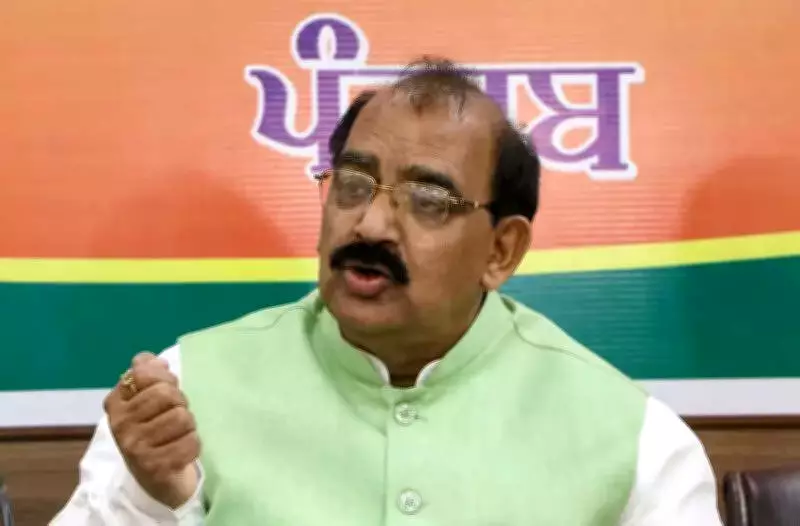
Punjab BJP Leader Condemns AAP Assembly Protest as Constitutional Breach
In a sharp escalation of political tensions in Punjab, BJP working president Ashwani Sharma has launched a scathing attack on Aam Aadmi Party (AAP) legislators, accusing them of degrading constitutional dignity through what he termed "theatrics" inside the state assembly. The controversy stems from a recent protest where AAP lawmakers wore vests emblazoned with slogans directly targeting Prime Minister Narendra Modi, blaming him for the ongoing national LPG crisis affecting households across the country.
Sharma's Formal Complaint to Assembly Speaker
Ashwani Sharma, who serves as the BJP MLA from Pathankot, submitted a written statement to the assembly speaker demanding an explanation for why such a display was permitted during legislative proceedings. In his complaint, Sharma argued that using the assembly floor for political stunts by wearing slogan-bearing attire violates long-established parliamentary traditions and undermines the seriousness of the House. "What happened inside the House was against the dignity of the Constitution," Sharma stated emphatically, questioning what "compulsion" prevented the speaker from intervening to stop the protest.
The BJP leader emphasized that legislative assemblies should remain platforms for substantive public discourse rather than stages for partisan messaging and political theater. His criticism highlights growing concerns about maintaining decorum in India's democratic institutions while addressing pressing public issues like the LPG shortage.

Fuel Crisis Sparks Political Blame Game in Punjab
The assembly protest marks a significant escalation in the political blame game surrounding fuel shortages and rising costs in Punjab. While the AAP seeks to pin responsibility for the crisis squarely on the central government led by Prime Minister Modi, the BJP maintains that such protest methods disregard the fundamental rules and dignity of the legislative assembly. This confrontation reflects deeper political divisions in Punjab, where the AAP currently holds power while the BJP operates as a principal opposition force.
Sharma's intervention raises important questions about the balance between political expression and parliamentary propriety. "The assembly should be a place for serious discussion of public issues, not for wearing slogans and creating disruptions," he asserted, suggesting that such tactics divert attention from substantive policy solutions to the actual problems facing citizens.
Unresolved Disciplinary Questions
As of now, the assembly speaker has not yet issued any ruling on whether the protesting AAP members will face disciplinary action for their conduct. This leaves open crucial questions about precedent and enforcement of assembly rules in Punjab's political landscape. The incident has sparked broader debates about:
- The appropriate boundaries of political protest within legislative chambers
- The speaker's role in maintaining assembly decorum during heated debates
- How political parties should address public grievances without compromising institutional dignity
- The effectiveness of symbolic protests versus substantive policy discussions
This controversy occurs against the backdrop of genuine public concern about LPG availability and affordability, with both parties attempting to leverage the issue for political advantage. The BJP's criticism suggests they view the AAP's tactics as undermining rather than advancing constructive solutions to the fuel crisis affecting Punjabi households.