Punjab BJP Chief Calls for Public Disclosure of Anti-Sacrilege Law Draft
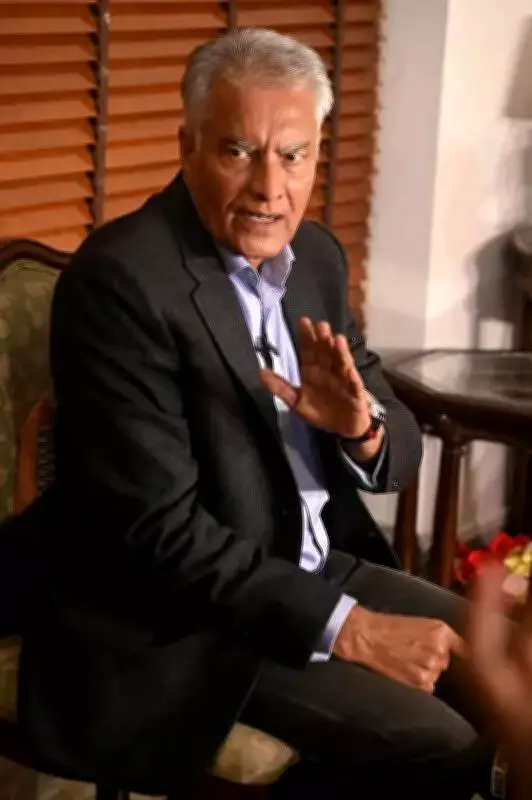
In a significant development, Punjab BJP president Sunil Jakhar has formally written to Chief Minister Bhagwant Mann, urging the state government to make the draft of the proposed anti-sacrilege law and the select committee report on it publicly available. This move highlights growing concerns over transparency in legislative processes involving sensitive religious matters.
Demand for Public Scrutiny and Confidence-Building
Jakhar emphasized that the issue of sacrilege is highly sensitive and requires careful handling. He argued that the public, political parties, and religious organizations must be taken into confidence before any new law or amendment is introduced. Specifically, he called for the proposed changes to the Jagat Jyot Shri Guru Granth Sahib Satkar Act, 2008, along with the report of the 15-member select committee headed by Inderjit Singh Nijjar, to be shared in advance with all stakeholders.
This includes political parties, MLAs, and religious bodies, ensuring a broader consultation process that respects both religious sentiments and democratic principles.

Transparency as a Cornerstone for Legislative Integrity
In his letter, Jakhar underscored that transparency is not just a procedural formality but an essential requirement in this context. He pointed out that the issue involves deep religious faith and must also withstand constitutional scrutiny. By making the draft and report public, the government can foster trust and avoid potential controversies that might arise from opaque decision-making.
The demand comes at a time when legislative processes are increasingly under public watch, with calls for greater accountability in governance. Jakhar's stance reflects a broader push for inclusive policymaking, where sensitive laws are developed through open dialogue rather than behind closed doors.
As the debate unfolds, all eyes are on the Punjab government's response, which could set a precedent for how similar issues are handled in the future, balancing religious sensitivities with democratic transparency.